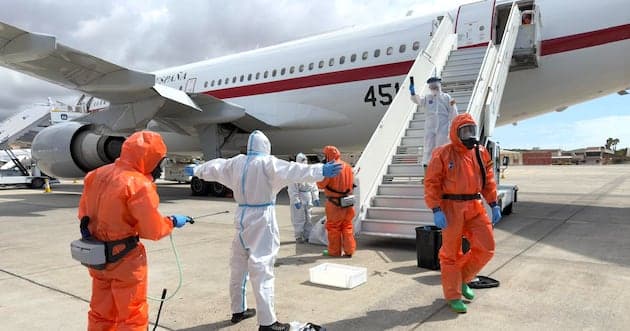
Summer Sees Rise in Disease Outbreaks
This summer, several disease outbreaks have raised concerns among health officials and the public alike. Notably, illnesses such as Ebola, hantavirus, cyclosporiasis, and measles have been reported, prompting increased awareness and preventive measures in communities across the country.
Understanding the Outbreaks
Ebola, a severe and often fatal illness, is caused by the Ebola virus. It is primarily transmitted through direct contact with bodily fluids of infected individuals. While the disease is more common in certain regions of Africa, health authorities remain vigilant in monitoring any potential cases that may arise elsewhere, including in the United States.
Hantavirus is another disease of concern, typically spread through contact with rodent droppings, urine, or saliva. It can lead to severe respiratory issues and is often associated with rural areas where rodent populations are prevalent. Health officials advise residents to take precautions when cleaning areas where rodents may have been present.
Cyclospora, a parasitic infection, has been linked to contaminated food and water. Symptoms can include severe gastrointestinal distress, and outbreaks often occur during the warmer months when fresh produce is more widely consumed. Public health campaigns are emphasizing the importance of washing fruits and vegetables thoroughly to minimize the risk of infection.
Measles, a highly contagious viral disease, has also seen a resurgence in some communities due to vaccination hesitancy. Health experts stress the importance of maintaining high vaccination rates to prevent outbreaks, especially as the disease can spread rapidly in populations with low immunity.
As these outbreaks continue to be monitored, health officials are urging the public to remain informed about prevention strategies and to seek medical attention if they suspect they may have been exposed to any of these diseases. Awareness and education are key to mitigating the impact of these illnesses this summer.