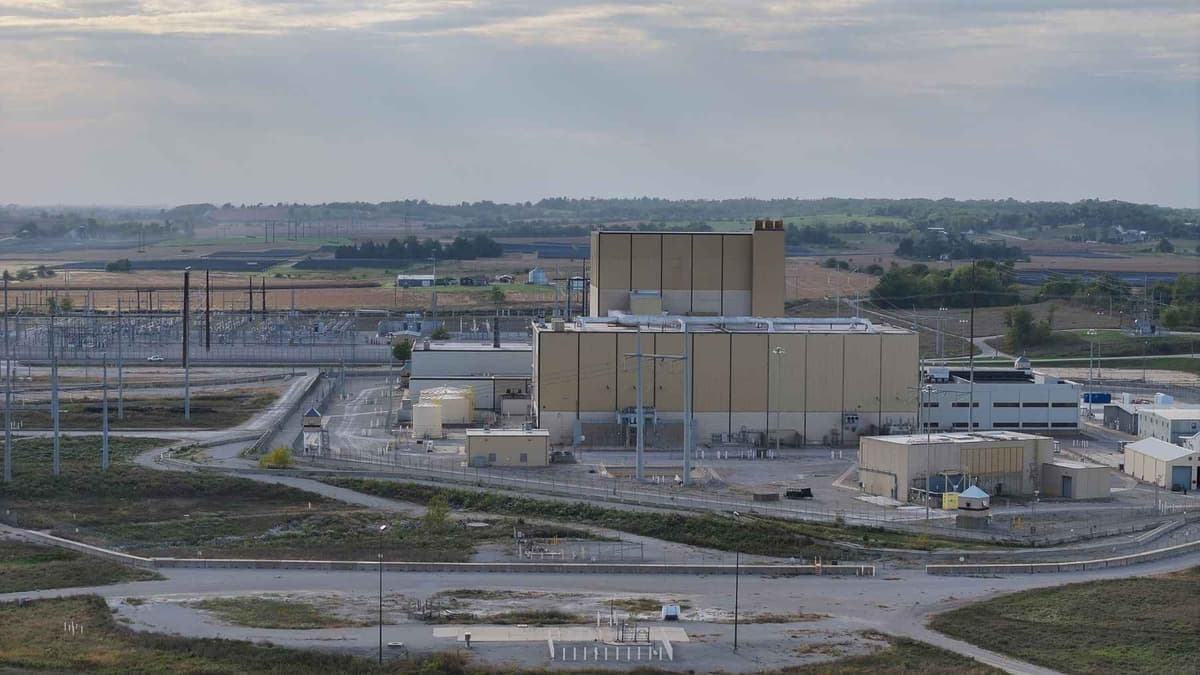
A 615-megawatt nuclear reactor, which has been offline for some time, is set to undergo significant reconstruction efforts aimed at bringing it back online by early 2029. The reactor lost its cooling towers, transformer, and power lines to a teardown crew, necessitating a comprehensive rebuilding process. The estimated cost for this endeavor could reach up to $1.9 billion, with funding expected to come from federal sources.
Reconstruction Plans and Costs
The decision to restart the inactive nuclear plant has been framed as a cost-effective solution to add much-needed power to the grid. With the reactor already constructed, the site is poised for a swift revival, making it an attractive option for energy providers. The reconstruction will focus on replacing the essential components that were dismantled, including the cooling towers, transformer, and power lines, which are critical for the reactor's operation.
Officials have highlighted the potential benefits of revitalizing the facility, noting that it could play a significant role in meeting regional energy demands. As the push for cleaner energy sources continues, the restart of this nuclear plant could contribute to reducing reliance on fossil fuels, aligning with broader environmental goals.
Future Outlook
As plans move forward, stakeholders are closely monitoring the progress of the reconstruction efforts. The timeline for completion is set for early 2029, and the successful reintroduction of the reactor into the energy grid could have far-reaching implications for the local economy and energy landscape. However, challenges remain, including regulatory approvals and securing the necessary funding to ensure the project stays on track.
Overall, the initiative to restart the reactor underscores a growing interest in leveraging existing infrastructure to enhance energy production, offering a pathway to a more sustainable energy future.