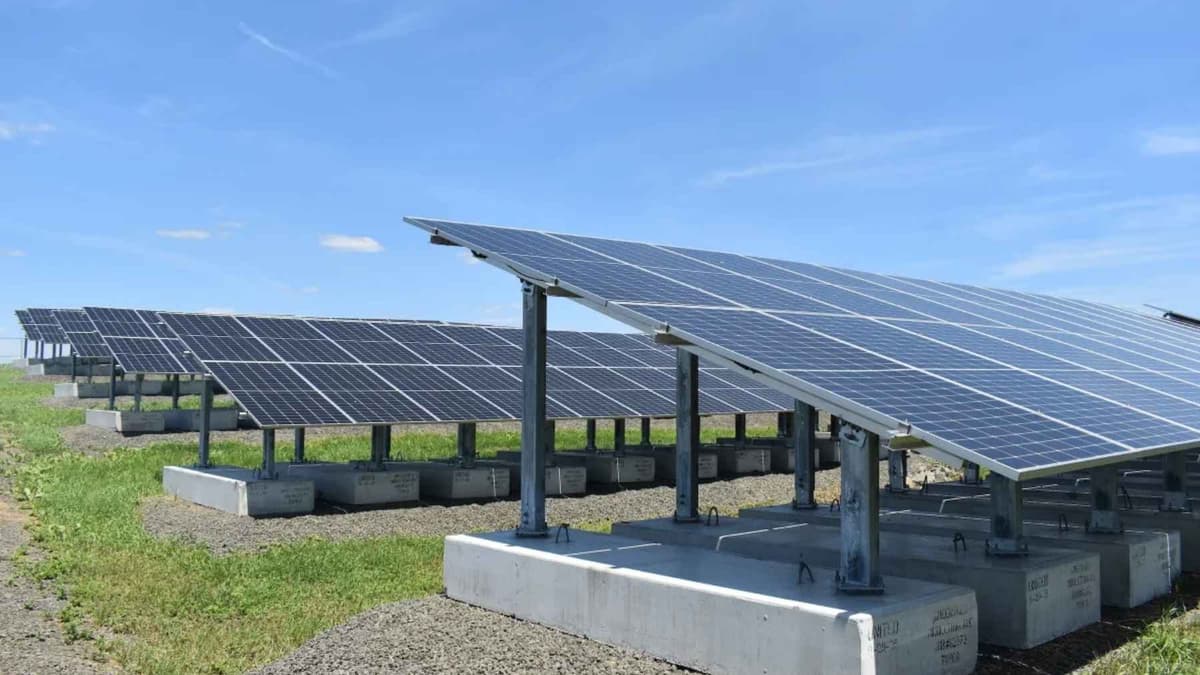
A unique solar energy project has emerged in New Haven, Connecticut, where 1,920 solar panels have been installed on a sealed landfill site. This innovative solution was necessitated by the challenges posed by the landfill's structure, which prevents traditional mounting methods due to the risk of damaging the protective layer that seals decades of waste from groundwater.
Innovative Solar Solution
The site, located at 260 Middletown Avenue adjacent to the city's transfer station, showcases a significant advancement in renewable energy deployment. The decision to place solar panels on this landfill was driven by the need to utilize otherwise unusable land while adhering to environmental safety standards. The project highlights the growing trend of leveraging previously contaminated or compromised land for sustainable energy production.
New Haven's approach is particularly notable as it diverges from conventional solar installations that typically rely on steel posts driven into the ground. Instead, the solar panels have been mounted using a specialized system that avoids penetrating the landfill cap. This innovation not only protects the integrity of the landfill but also allows for the generation of clean energy in an area that would otherwise remain dormant.
Environmental Impact and Future Prospects
The installation of solar panels on the landfill is expected to contribute significantly to the city's renewable energy goals. By harnessing solar power, New Haven aims to reduce its carbon footprint and provide a cleaner energy source for its residents. This project serves as a model for other cities facing similar challenges with landfill sites and demonstrates the potential for renewable energy solutions in urban environments.
As cities continue to seek sustainable energy options, the New Haven project illustrates the importance of creative problem-solving in the face of environmental constraints. With advancements in technology and growing awareness of climate issues, such innovative projects may pave the way for a greener future, utilizing land that has been previously deemed unusable for public benefit.