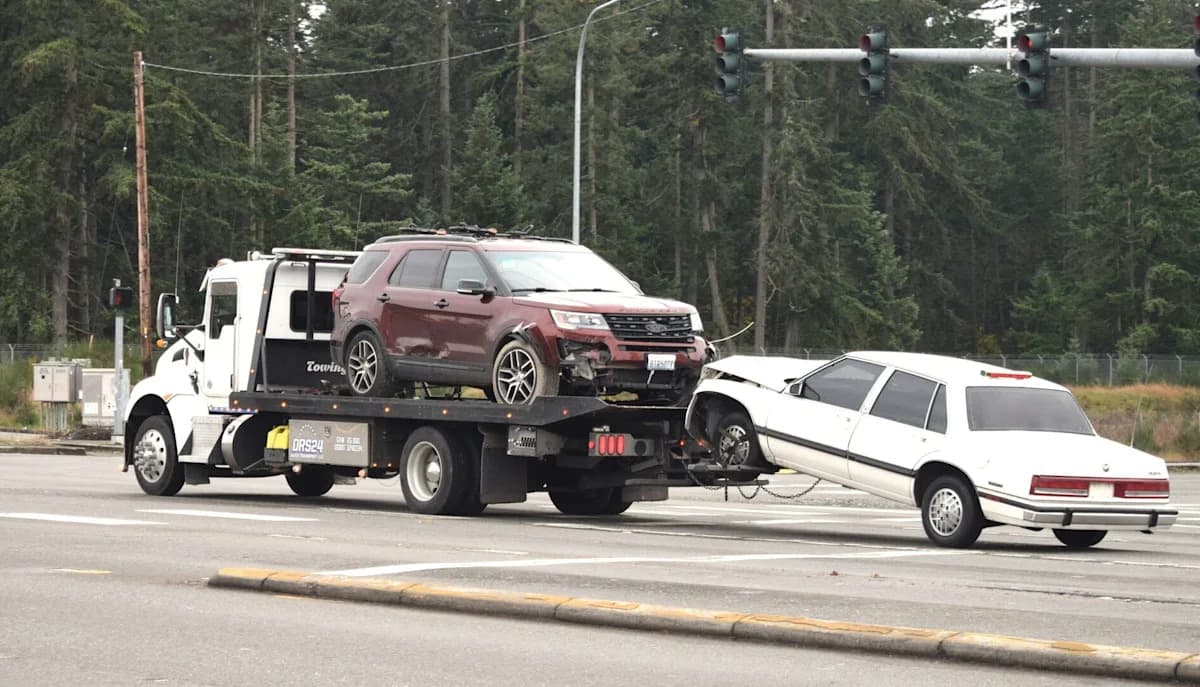
A private surveillance network utilizing tow trucks has scanned approximately 9 billion license plates across California, raising concerns over privacy and data collection. The system operates by equipping tow trucks with cameras that capture license plate images as they travel through neighborhoods. Each photograph is timestamped, creating a comprehensive database that tracks vehicle movements throughout the state.
California Courts Uphold Surveillance Practices
In a recent ruling, California courts determined that this extensive surveillance method is permissible, allowing the continued operation of the network. The decision has sparked a debate regarding the balance between public safety and individual privacy rights. Proponents of the system argue that the data collected can aid law enforcement in tracking stolen vehicles and solving crimes, while critics express concerns over the potential for misuse and the erosion of privacy.
The technology behind the network has advanced significantly, enabling tow trucks to capture images at high speeds and process them in real-time. This capability has led to an exponential increase in the number of scanned plates, raising questions about how long the data is retained and who has access to it. Advocates for privacy protections are calling for stricter regulations to govern the use of such surveillance technologies.
Public Response and Future Implications
The public reaction to the court's ruling has been mixed. Some residents appreciate the potential benefits of enhanced public safety, while others feel uneasy about being constantly monitored. Privacy advocates are urging lawmakers to consider the implications of such surveillance networks and to establish clearer guidelines regarding data collection and retention practices.
As the use of surveillance technology becomes more prevalent, the ongoing debate highlights the need for a careful examination of the intersection between law enforcement practices and individual rights. The outcome of this case may set a precedent for similar surveillance initiatives in California and beyond, as communities grapple with the implications of living in an increasingly monitored society.