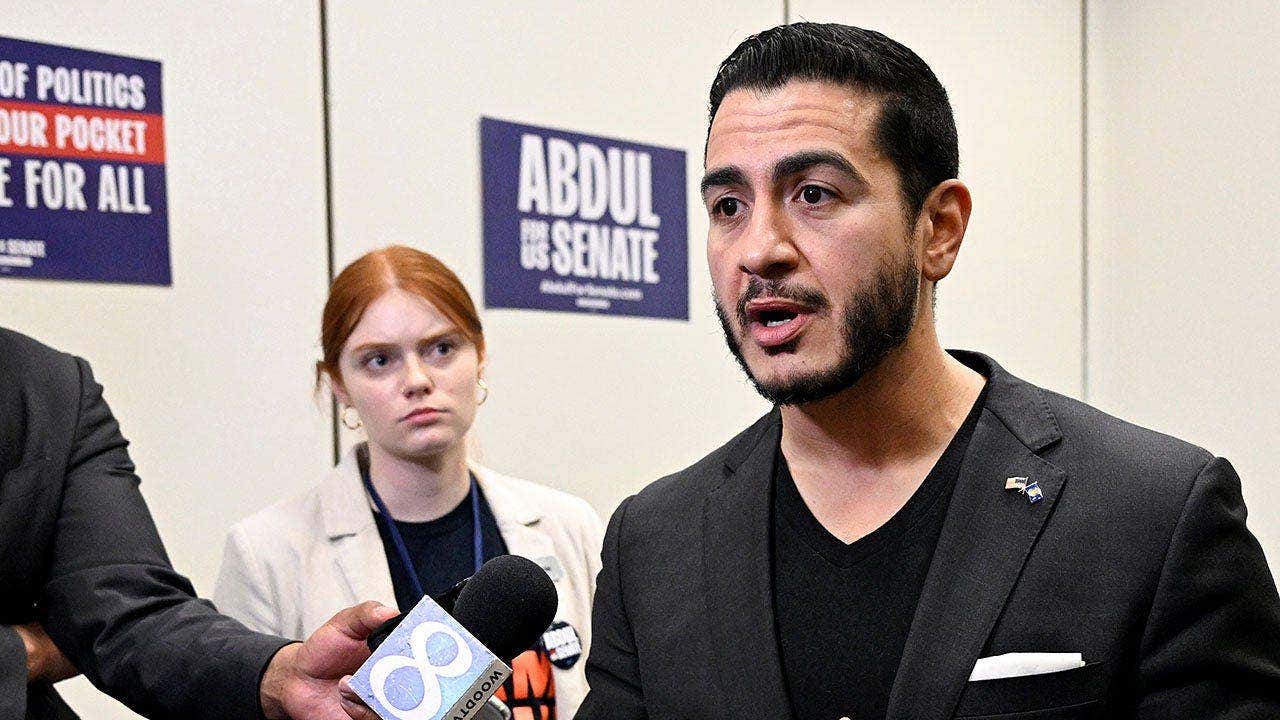
In a recent statement, Michigan Senate candidate Abdul El-Sayed has expressed his strong belief that decisions regarding sex change procedures should be left to the discretion of patients and their healthcare providers, rather than being influenced or restricted by government intervention. El-Sayed's comments come amid ongoing debates surrounding healthcare rights and the role of government in personal medical decisions.
Advocating for Patient-Doctor Relationships
El-Sayed argues that the relationship between a patient and their doctor is fundamental to providing appropriate and effective medical care. He emphasizes that medical decisions, particularly those related to gender-affirming treatments, should be made based on individual needs and circumstances. By advocating for this perspective, El-Sayed seeks to empower patients to make informed choices about their own bodies and identities without external pressures from political entities.
The candidate's stance highlights a broader conversation about healthcare access and the importance of maintaining patient autonomy in medical decisions. El-Sayed's position resonates with many advocates who argue that government restrictions can hinder access to necessary medical treatments and violate personal rights. He calls for a healthcare system that prioritizes the needs and rights of individuals, ensuring that they have the freedom to pursue the medical care they deem appropriate.
Political Implications
As the political landscape continues to evolve, El-Sayed's comments may influence discussions surrounding healthcare policies in Michigan and beyond. His emphasis on the importance of patient-doctor relationships could resonate with voters who value personal freedoms and the right to make choices about their own health. The ongoing dialogue about healthcare rights, particularly for marginalized communities, remains a significant issue in contemporary politics, and El-Sayed's advocacy may play a role in shaping future legislative efforts.
Overall, Abdul El-Sayed's position underscores a critical aspect of healthcare debates, focusing on the need for patient empowerment and the dangers of government overreach in personal medical decisions. As the conversation progresses, it will be essential to monitor how these discussions impact both policy and public opinion in the coming months.