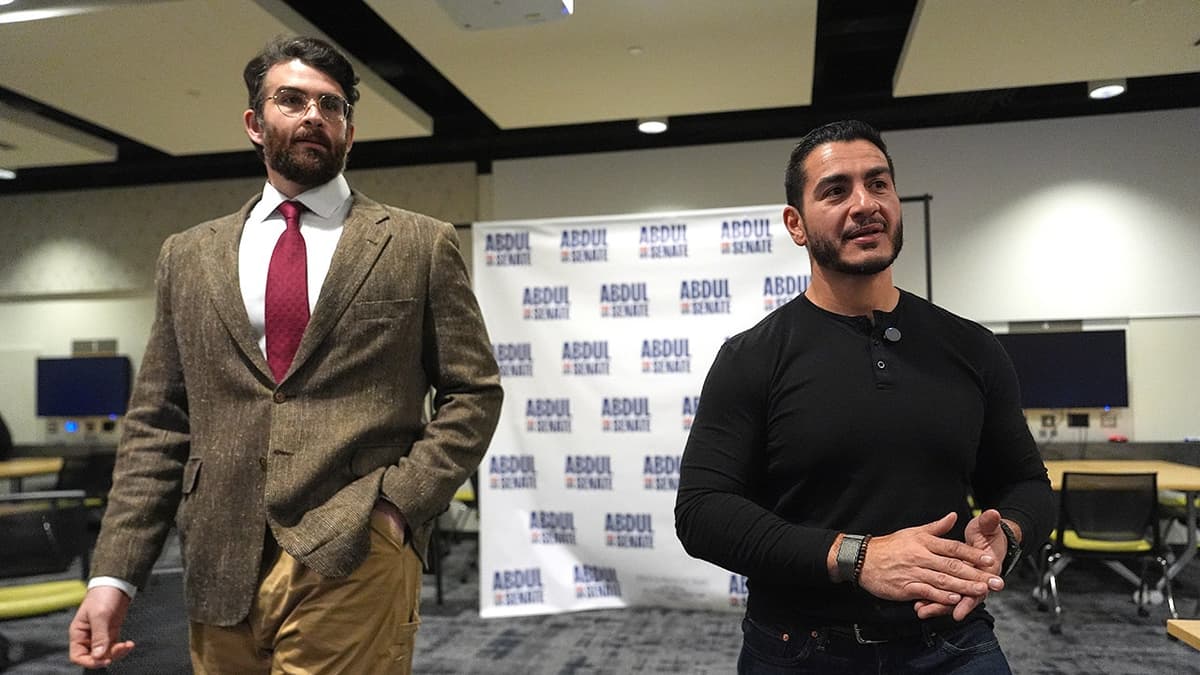
Abdul El-Sayed, a Democratic candidate for the U.S. Senate from Michigan, is facing significant backlash following a recent social media post related to the September 11 attacks. The criticism has been fueled by his association with Hasan Piker, a political commentator known for his controversial statements regarding the events of 9/11.
El-Sayed's post aimed to honor the victims of the tragic events that occurred 22 years ago, but many online users quickly connected it to Piker's past remarks, which suggested that the U.S. "deserved" the attacks. This connection has sparked outrage among various social media users and political commentators, who are questioning El-Sayed's judgment in aligning with someone who has made such incendiary claims.
Online Backlash Intensifies
The negative response has been swift, with numerous individuals expressing their discontent on platforms like Twitter. Critics argue that El-Sayed's relationship with Piker undermines his credibility and sensitivity regarding a pivotal moment in American history. The backlash has raised concerns about how this controversy might impact his campaign as he seeks to secure a seat in the Senate.
El-Sayed, who previously served as the health director for the city of Detroit, has been a prominent figure in Michigan politics, advocating for progressive policies. However, this incident has brought forth questions about his associations and how they may resonate with voters, especially those who experienced the events of 9/11 firsthand.
Implications for the Senate Race
As the race heats up, El-Sayed will need to navigate the fallout from this controversy carefully. With the election approaching, maintaining a strong connection with constituents and addressing their concerns will be crucial for his campaign. The scrutiny surrounding his ties to Piker could pose a challenge as he works to present himself as a viable candidate for the Senate.
Ultimately, the repercussions of this incident may extend beyond social media backlash, potentially influencing voter perceptions and the overall dynamics of the Democratic primary in Michigan. El-Sayed's response to this situation could play a significant role in shaping his political future.