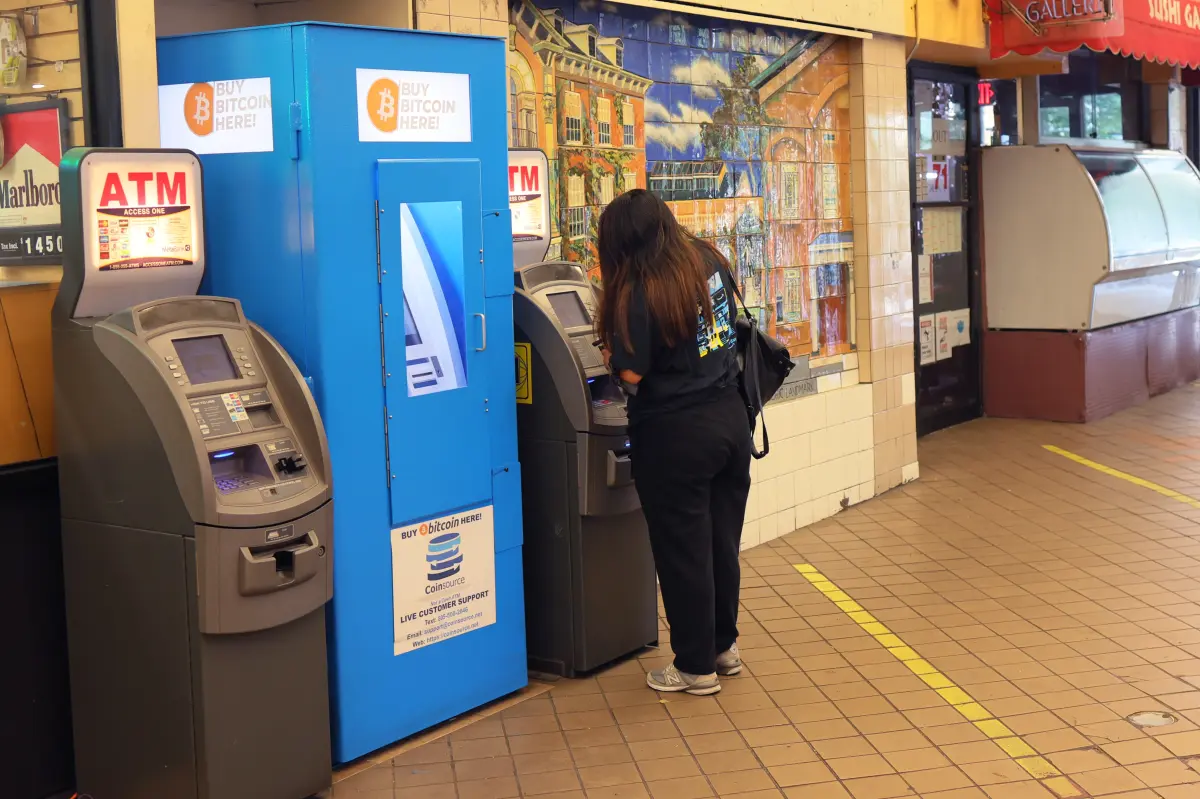
An ATM operator has announced the closure of thousands of its locations across the United States, including in California, citing stringent regulatory pressures as the primary reason for the decision. This move reflects the growing challenges faced by financial service providers in navigating complex regulatory environments.
Impact on Local Communities
The closures are expected to significantly impact communities that rely on these ATMs for convenient access to cash. Many individuals, particularly in rural or underserved areas, depend on these machines for daily transactions. The loss of these locations may lead to increased difficulty in accessing cash, particularly for those without easy access to banking facilities.
According to reports from the New York Post, the ATM operator has struggled with compliance costs and regulatory demands that have made it increasingly difficult to maintain a viable network of cash-dispensing machines. The decision to close locations was not made lightly, as the company has been a fixture in many communities for years.
Regulatory Challenges Ahead
The regulatory landscape for ATM operators has become more complex in recent years, with new laws and guidelines aimed at ensuring consumer protection and financial transparency. These regulations, while well-intentioned, have placed a heavy burden on operators, leading some to reassess their business models. The ATM operator's recent actions highlight the broader trend of financial institutions reevaluating their operations in response to regulatory challenges.
As the situation develops, stakeholders in the financial services industry are closely monitoring the effects of these closures. The long-term consequences for consumers and local economies remain to be seen, but the immediate impact is already being felt in communities across California and beyond.