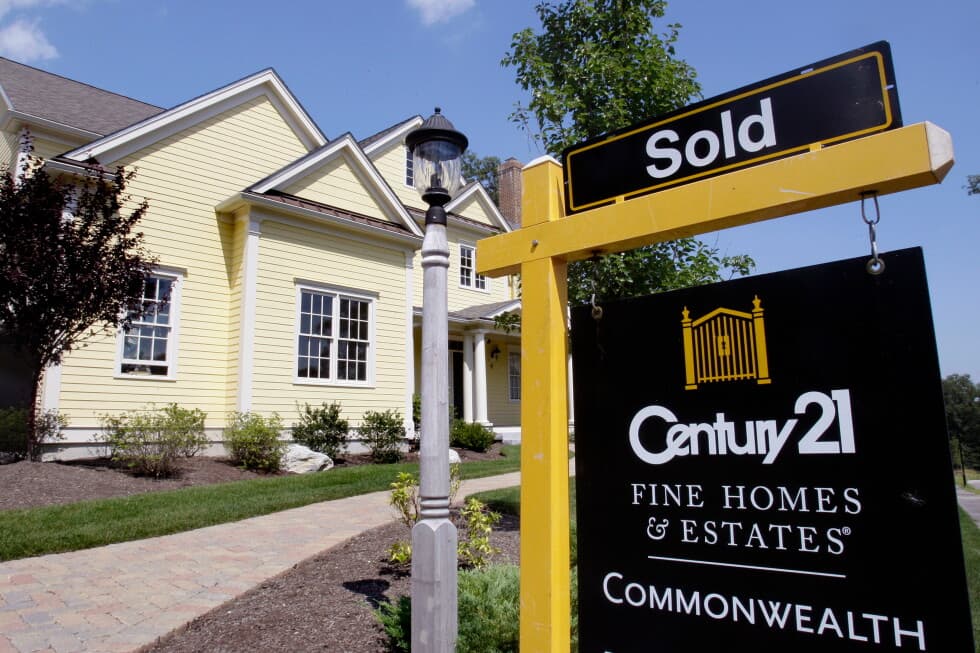
Mortgage rates have seen a significant increase this week, with the average rate on a 30-year fixed mortgage reaching its highest level in 13 months. This rise in rates reflects ongoing trends in the housing market and economic factors influencing borrowing costs across the United States.
The increase in mortgage rates comes as many potential homebuyers are already facing challenges in a competitive market. Higher borrowing costs can affect affordability, making it more difficult for individuals and families to purchase homes. As rates climb, prospective buyers may reconsider their options or delay their home-buying plans.
Impact on Homebuyers
With the average long-term mortgage rate now surpassing previous benchmarks, experts suggest that the market may see a slowdown in home sales. Many analysts are closely monitoring how these changes will impact housing inventory and pricing in the coming months. As the cost of borrowing increases, it may lead to a shift in buyer behavior, with some opting to rent instead of purchasing homes.
In addition, the rise in mortgage rates could have broader implications for the economy. Higher rates may influence consumer spending and investment decisions, which could affect overall economic growth. As the housing market plays a crucial role in the economy, continued increases in mortgage rates will be closely watched by both homebuyers and industry professionals.