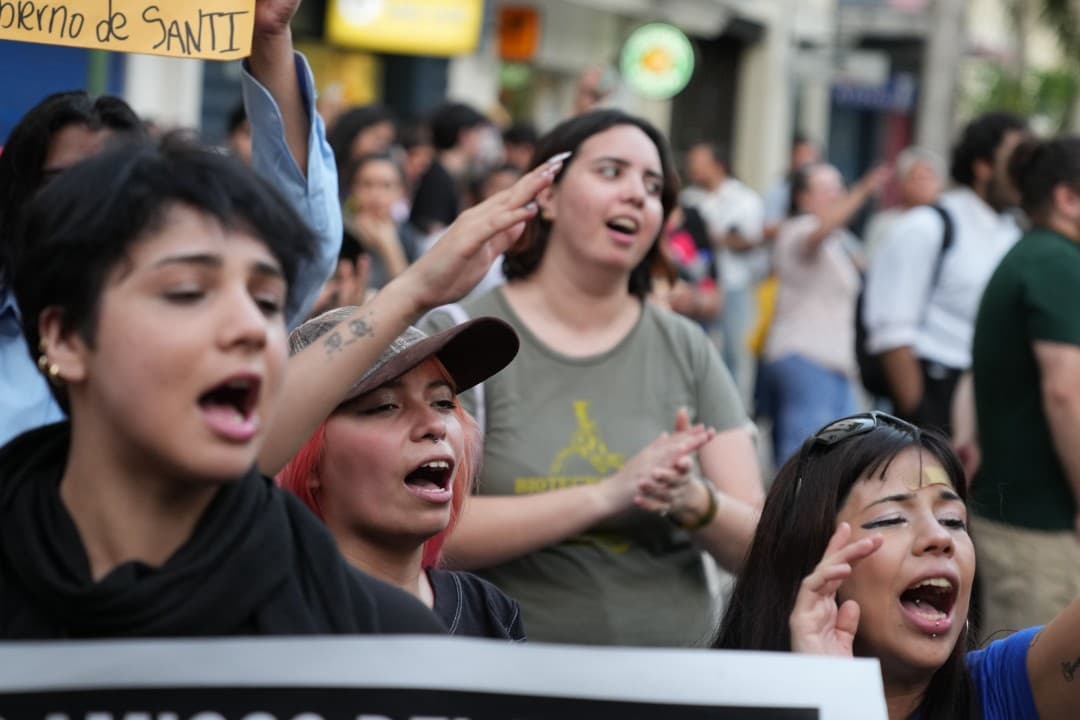
Paraguay's central bank took significant action on Tuesday by seizing a major digital lender that has strong connections to President Santiago Peña. This move has sparked a political crisis in the country, raising concerns about the stability of the financial system and the implications for the administration.
Impact on Customers and Economy
The lender in question is reported to serve approximately 60% of the nation's population, making its closure particularly impactful for many Paraguayans who rely on its services. This situation has prompted fears about the potential fallout for the economy, as the sudden loss of a major banking option could lead to increased financial uncertainty for citizens and businesses alike.
As the political ramifications unfold, observers are closely monitoring the government's response and the potential for further instability. The central bank's decision has been met with mixed reactions, with some supporting the move as necessary for regulatory compliance, while others view it as a troubling sign of political interference in the financial sector.
Political Repercussions
The seizure of the digital lender is expected to intensify scrutiny on President Peña’s administration, particularly regarding its financial policies and governance. Critics argue that the close ties between the lender and the presidency raise questions about transparency and accountability in the financial sector. As the investigation progresses, the government will need to address these concerns to maintain public trust.
As the situation develops, the focus will remain on how the government manages the fallout from this significant banking crisis. The implications for both the political landscape and the economy of Paraguay are considerable, and many are awaiting further developments in what has become a critical moment for the nation.