Beef Prices Rise Amid Cattle Herd Shortage
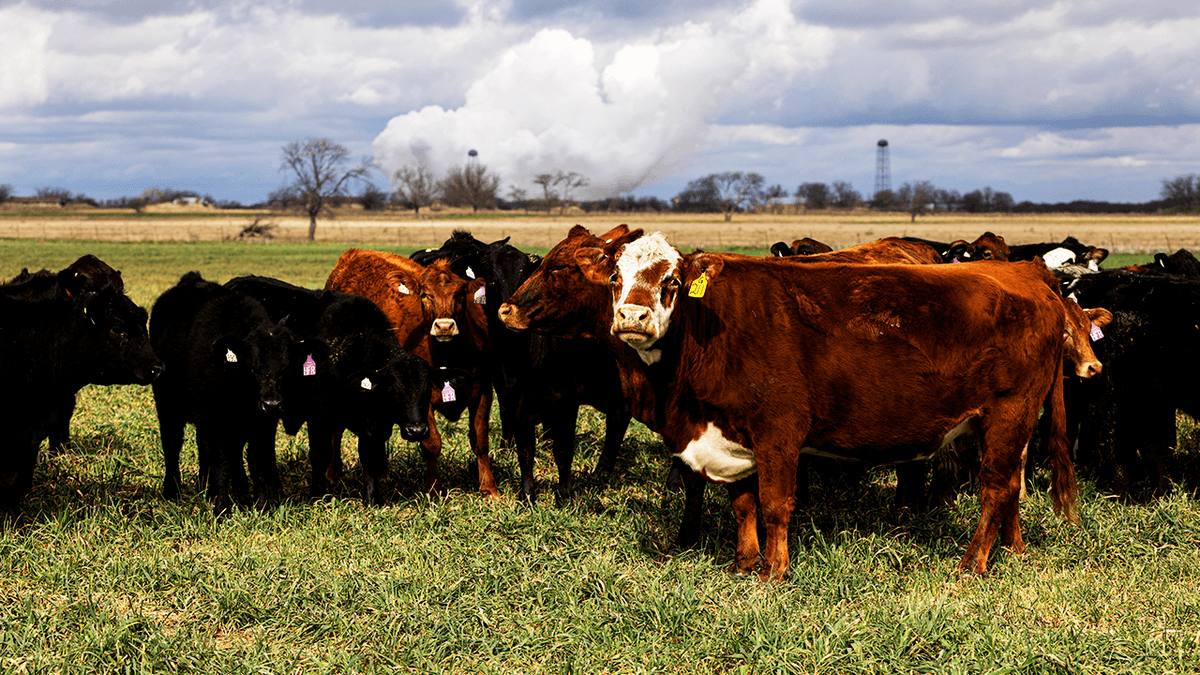
Beef prices have surged nearly 12% recently as the United States grapples with its lowest cattle herd numbers in 70 years. This significant shortage is impacting the beef industry, leading to increased costs for consumers and challenges for producers. The ongoing cattle cycle has created a perfect storm for the market, driving prices higher as supply struggles to meet demand.
Tyson Foods, one of the largest meat processors in the country, has reported a substantial loss of $138 million in its beef business. This financial setback reflects the broader issues facing the industry as it navigates the effects of the cattle shortage. CEO Donnie King acknowledged that the beef sector has not performed as expected, indicating that the challenges are not just temporary but may require long-term adjustments in strategy and operations.
Industry Challenges and Future Outlook
The decline in cattle numbers has been attributed to various factors, including drought conditions, rising feed costs, and market pressures that have discouraged ranchers from maintaining their herds. As a result, consumers may continue to see elevated prices at the grocery store, with experts warning that the situation could persist if the herd numbers do not recover. The beef industry is at a critical juncture, and stakeholders are closely monitoring developments that could influence future market stability.
As the situation unfolds, the implications for consumers and the overall economy remain significant. With beef being a staple in many American diets, the rising prices could lead to shifts in purchasing behavior, prompting some consumers to seek alternatives or reduce their meat consumption. The industry is now faced with the challenge of balancing supply and demand while navigating the complexities of a changing agricultural landscape.