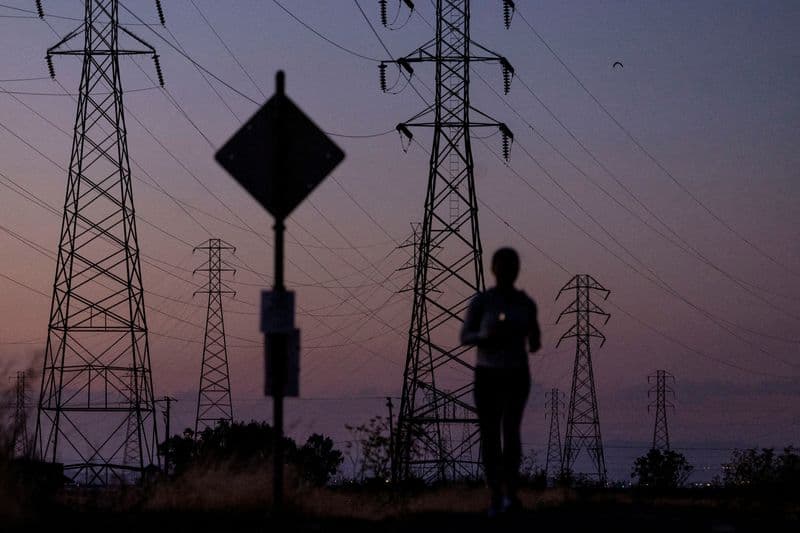
The risk of power outages is anticipated to increase across a wide area of the United States on Wednesday as an intense heat wave places significant stress on the country's largest electric grids. The combination of soaring temperatures and high electricity demand raises concerns about the stability of power supplies, prompting officials to urge residents to conserve energy where possible.
Heat Wave Impact
The ongoing heat wave is expected to bring record-breaking temperatures to various regions, leading to heightened electricity consumption as people rely on air conditioning and cooling systems to cope with the extreme weather. As temperatures soar, electric grids are faced with the challenge of meeting this surging demand. Experts warn that the combination of high usage and potential equipment failures could lead to power outages in affected areas.
Electricity providers are closely monitoring the situation and have implemented measures to mitigate the risk of blackouts. These measures may include urging residents to limit their energy use during peak hours, particularly in the late afternoon and early evening when demand typically peaks. Authorities emphasize the importance of being prepared for potential outages and suggest that residents have contingency plans in place.
Preparedness and Conservation
Residents are encouraged to take proactive steps to conserve energy during this heat wave. Simple actions such as turning off non-essential appliances, using fans instead of air conditioning when possible, and keeping blinds closed during the hottest parts of the day can help reduce overall electricity consumption. Additionally, staying hydrated and avoiding strenuous outdoor activities during peak heat hours are essential for personal safety.
As the heat wave continues, officials will provide updates on the status of the electric grids and any potential outages. The situation remains dynamic, and residents are advised to stay informed and prepared as conditions evolve. The collective effort to conserve energy can play a crucial role in maintaining grid stability and reducing the risk of power outages during this challenging period.