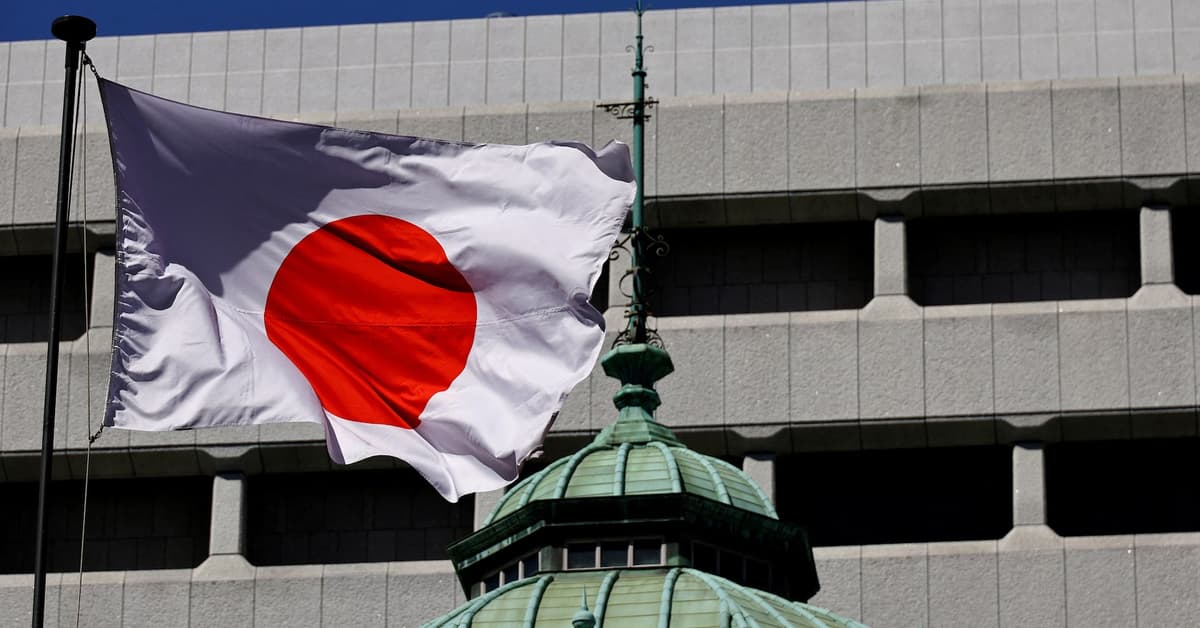
The Bank of Japan (BOJ) is currently on a path to normalize its monetary policy, and according to a senior official from the International Monetary Fund (IMF), it may need to accelerate interest rate hikes if inflation exceeds current forecasts. This statement highlights the ongoing challenges faced by central banks in balancing economic growth with inflation control.
Potential Impact of Inflation on Monetary Policy
The IMF's assessment comes amid a backdrop of fluctuating economic conditions in Japan, where inflation has shown signs of increasing. The BOJ has maintained a loose monetary policy for an extended period, but as inflationary pressures mount, the need for a more aggressive approach to interest rates becomes increasingly apparent. The IMF official emphasized that the BOJ's current strategy is appropriate but warned that swift action may be necessary if inflation trends continue upward.
Market analysts are closely monitoring the situation, as any shift in the BOJ's policy could have significant implications for both the Japanese economy and global markets. The potential for faster rate increases could influence investment decisions and consumer behavior, making it a critical issue for stakeholders in various sectors.
Broader Economic Context
The BOJ's decisions are not made in isolation; they are influenced by global economic trends and the actions of other central banks. As many countries grapple with rising inflation, the BOJ's approach may set a precedent for how other nations respond to similar challenges. The IMF's comments reflect a growing consensus that central banks must remain vigilant and adaptable in their monetary policies to address the evolving economic landscape.
In conclusion, the IMF's insights on the BOJ's monetary policy underline the delicate balance that central banks must maintain in fostering economic stability while controlling inflation. As the situation develops, the BOJ's future actions will be closely watched by economists, investors, and policymakers alike.