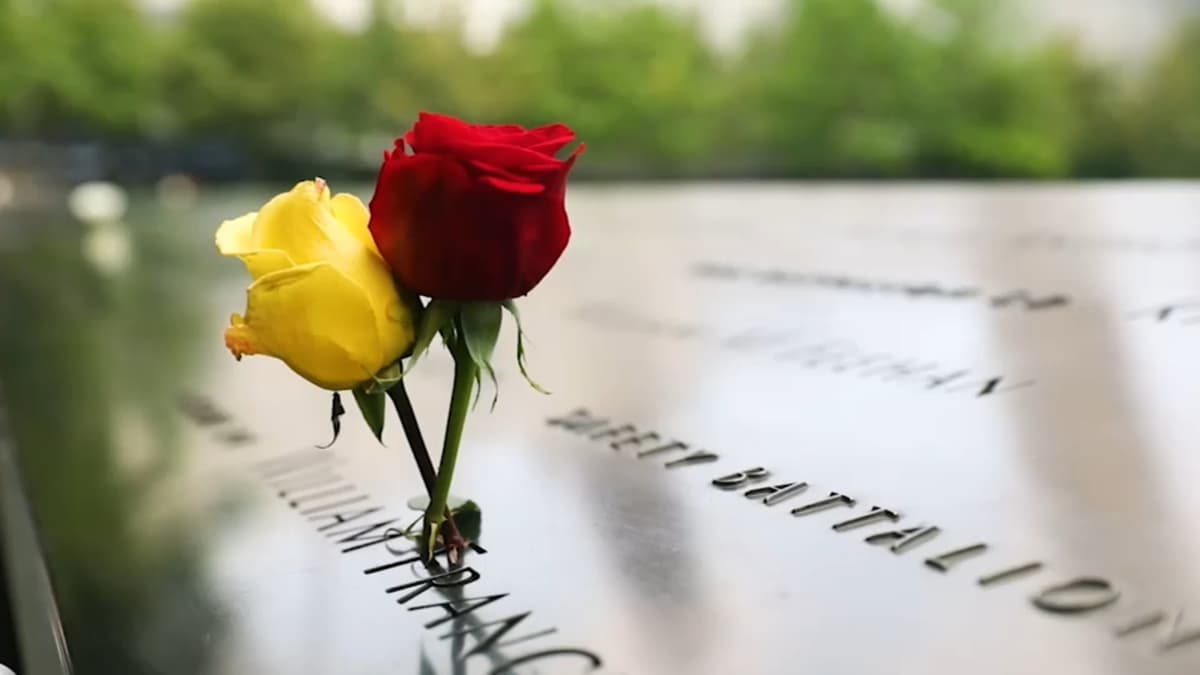
In a significant advancement in the identification of victims from the September 11 attacks, New York City's medical examiner has successfully used genetic genealogy to identify the 1,651st victim of the World Trade Center tragedy. This achievement marks a notable milestone in the ongoing efforts to identify those who lost their lives 25 years ago.
Advancements in Genetic Genealogy
The use of genetic genealogy has opened new avenues for forensic science, particularly in cases where traditional identification methods have fallen short. This innovative approach combines DNA analysis with genealogical research to trace familial connections, allowing for the identification of individuals whose remains have remained unaccounted for since the attacks. The recent identification underscores the potential of this technology to bring closure to families who have been waiting for answers.
Officials have expressed hope that this breakthrough will encourage further efforts to identify other victims. The process involves collecting DNA samples from family members and comparing them with genetic material from unidentified remains. This method has proven effective in cases where conventional means, such as dental records or fingerprints, are not available.
Continued Efforts and Impact on Families
As the 25th anniversary of the 9/11 attacks approaches, the emotional toll on families continues to be profound. Many relatives of victims have been actively engaged in the identification process, seeking closure and recognition for their loved ones. The recent success serves as a reminder of the enduring impact of that tragic day and the ongoing commitment to ensuring that every victim is identified and honored.
The medical examiner's office remains dedicated to utilizing cutting-edge technology to resolve outstanding cases. With advancements in genetic testing and genealogy, there is renewed optimism that more victims may soon be identified, bringing solace to families who have long awaited answers.