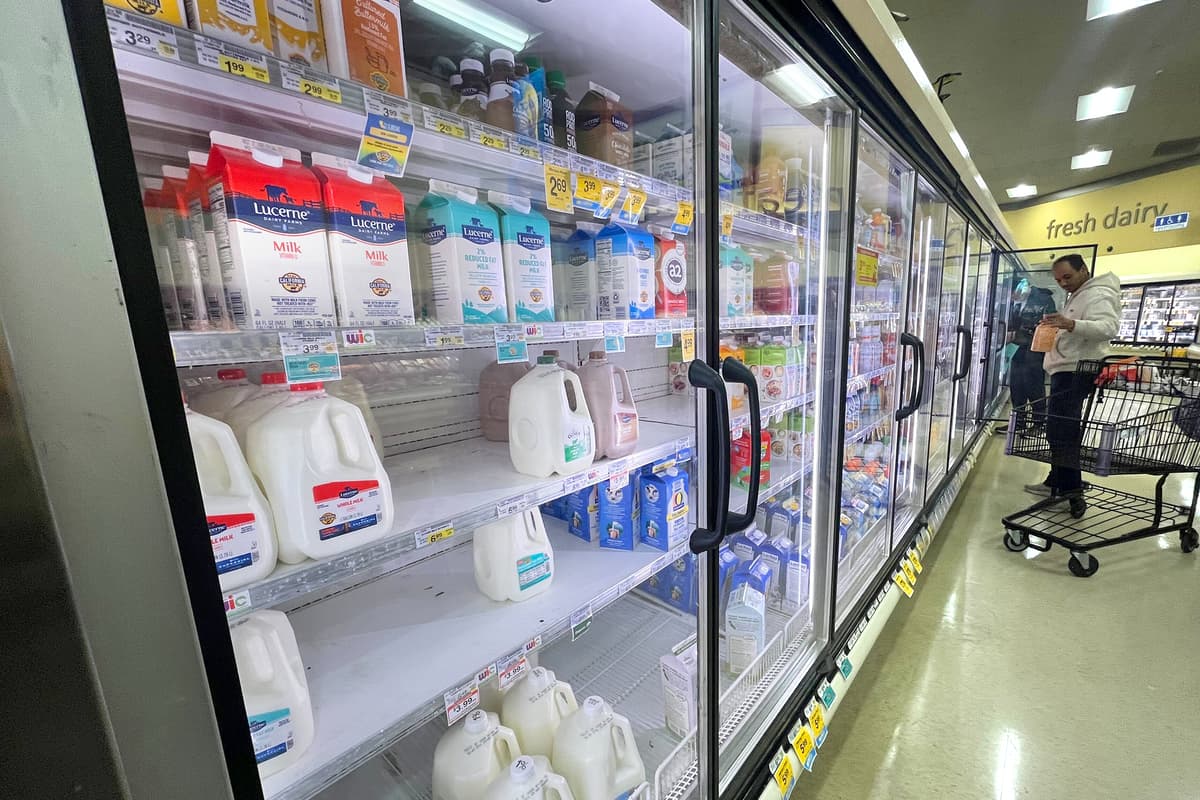
California's dairy industry is expressing concern over an impending recycling deadline set for August, which they claim could lead to increased prices for milk and other grocery items. As the state pushes for more stringent waste reduction measures, dairy producers are warning that the financial repercussions may ultimately fall on consumers.
Impact on Prices
With the new recycling regulations, dairy farmers are facing potential challenges in managing their waste and production processes. Industry representatives have indicated that the costs associated with compliance could lead to higher prices for milk and dairy products. As consumers in California prepare for possible price hikes, local grocery stores are bracing for the impact on their inventory and pricing strategies.
The dairy sector is a significant part of California's agricultural economy, and the implications of these regulations could resonate beyond just dairy products. If prices rise, it could affect a wide range of grocery items, leading to broader economic concerns for families and individuals across the state. The industry is currently in discussions with state officials to seek solutions that would alleviate the financial burden while still adhering to the environmental goals set forth by the new recycling mandate.
Industry Response
In response to the looming deadline, dairy producers are exploring various strategies to adapt to the new regulations. This includes investing in more efficient waste management practices and seeking alternative materials that comply with the recycling requirements. However, these adjustments come with their own set of challenges and costs, further complicating the situation for farmers already facing a competitive market.
As the August deadline approaches, the dairy industry is calling for more support from state authorities to ensure that the transition to new recycling practices does not disproportionately affect consumers. The dialogue between the industry and regulators is ongoing, as both sides work to find a balance between environmental sustainability and economic viability.