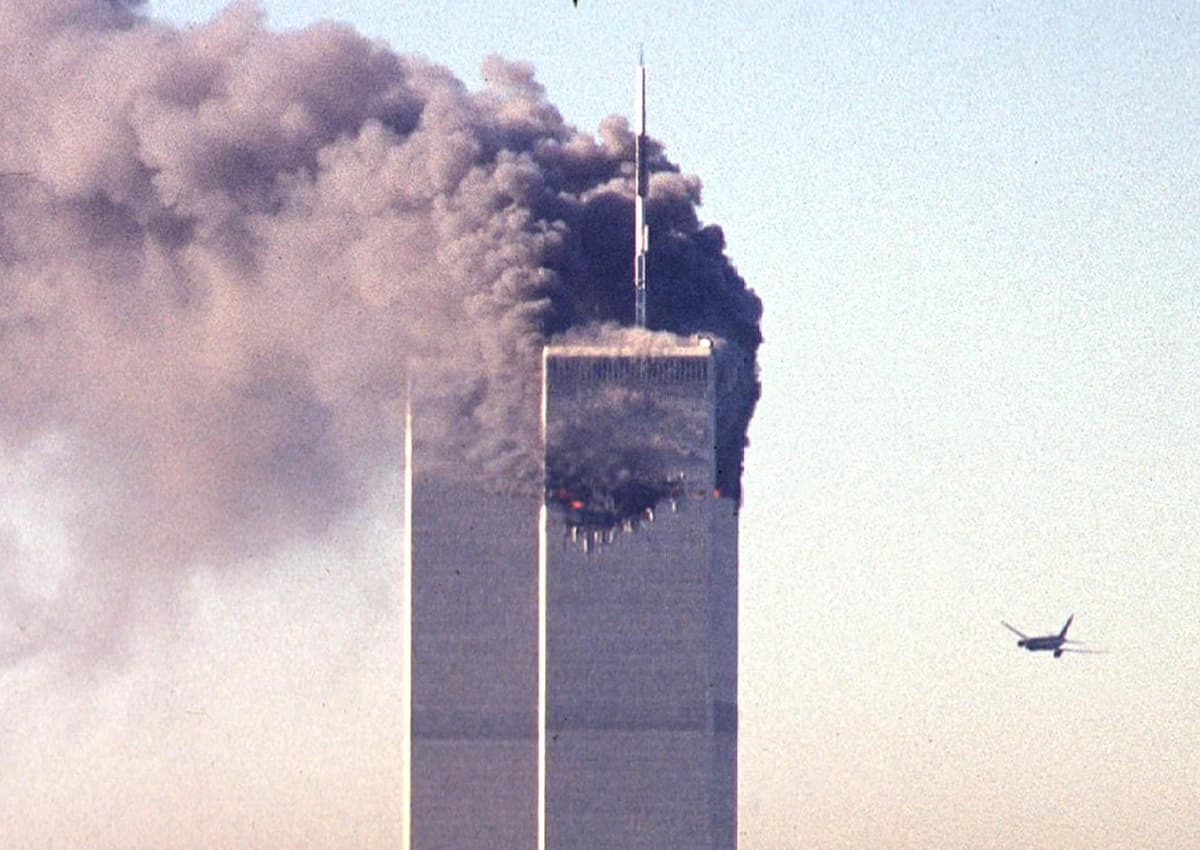
The Central Intelligence Agency (CIA) has released a collection of declassified documents pertaining to Osama bin Laden and his activities leading up to the September 11 attacks. This release comes as part of the agency's ongoing effort to provide transparency regarding its operations and assessments related to national security threats. The documents illustrate the intelligence community's understanding of bin Laden's intentions and strategies prior to the tragic events of 2001.
Insights from the Documents
Among the released materials is a briefing provided to then-President Bill Clinton in 1998, which highlighted bin Laden's aspirations to carry out attacks on American soil. The briefing indicated that bin Laden's "preferred option is to strike the US on its own soil in Washington," underscoring the gravity of the threat he posed at the time. This insight reflects the agency's awareness of bin Laden's growing influence and the potential for his network to execute significant terrorist operations.
The documents also detail various intelligence assessments and operational plans that were developed in response to bin Laden's activities. They reveal the challenges faced by the CIA and other agencies in tracking and countering his movements, as well as the complexities involved in addressing the emerging threat of international terrorism. This release serves as a historical account of the intelligence landscape leading up to one of the most pivotal moments in American history.
Continued Impact on National Security
The release of these documents is expected to contribute to ongoing discussions about national security policies and counterterrorism strategies. Analysts and historians are likely to scrutinize the information for insights into how the U.S. government has evolved its approach to threats posed by terrorist organizations. As the nation reflects on the implications of the September 11 attacks, understanding the intelligence assessments from that era is crucial for learning from past mistakes and improving future responses to similar threats.
This declassification effort underscores the importance of transparency in government operations, particularly regarding matters of national security. As more information becomes available, it allows for a broader public understanding of the challenges faced by intelligence agencies and the critical decisions made during a time of heightened alertness to terrorism.