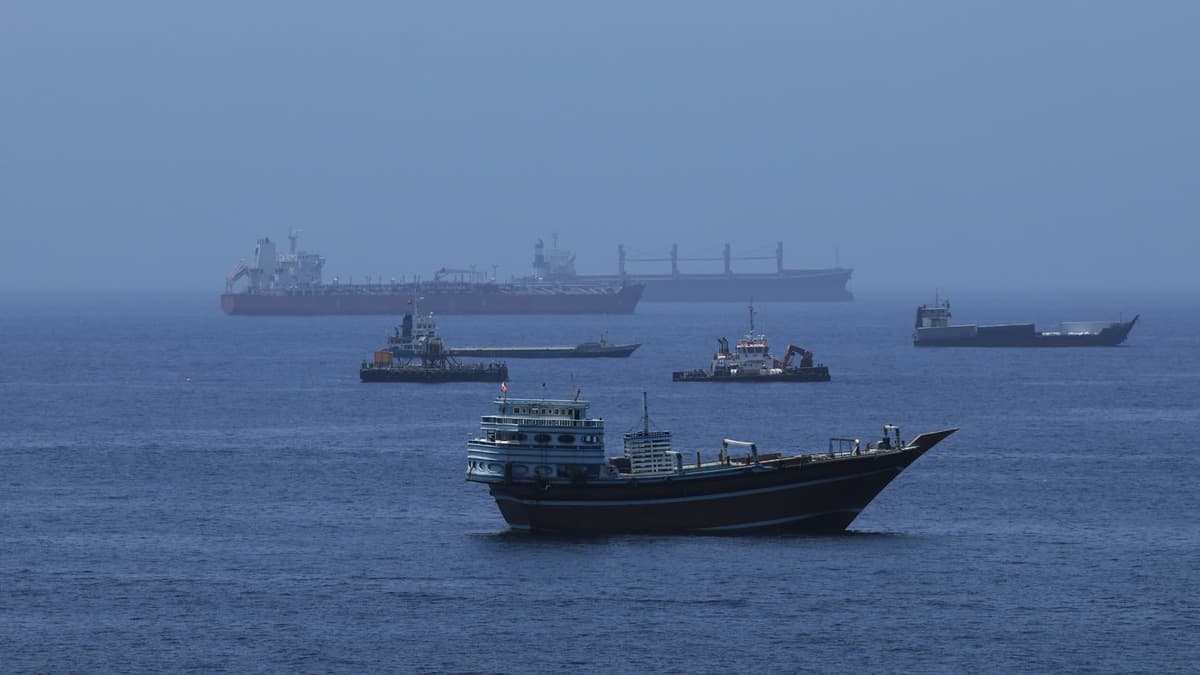
Crude oil exports through the Strait of Hormuz have returned to prewar levels, signaling a significant shift in the global oil market. This development comes amid ongoing concerns about the high prices consumers are facing at the pump, which are contributing to economic pressures worldwide. The Strait of Hormuz is a critical chokepoint for oil transportation, and its stability is essential for maintaining global supply chains.
Impact on Global Economy
While the return to prewar export levels might suggest a recovery in oil production and distribution, the reality is more complex. Consumers are experiencing sharp increases in fuel prices, which are impacting everything from transportation costs to the prices of goods and services. Analysts are closely monitoring how these price hikes will affect consumer spending and overall economic growth.
The current situation raises questions about the sustainability of oil supply and the potential long-term effects on the global economy. As crude flows stabilize, the balance between supply and demand will be crucial in determining future price trends. Industry experts warn that while increased exports are a positive sign, they may not be enough to alleviate the financial burden on consumers and businesses alike.
Future Outlook
Looking ahead, the oil market faces numerous challenges, including geopolitical tensions, production decisions by major oil-producing nations, and fluctuations in demand. The ongoing situation in the Middle East continues to be a focal point for market watchers, as any disruptions could lead to renewed volatility in oil prices. As countries navigate these complexities, the interplay between supply levels and pricing will remain a critical issue for both consumers and the economy as a whole.