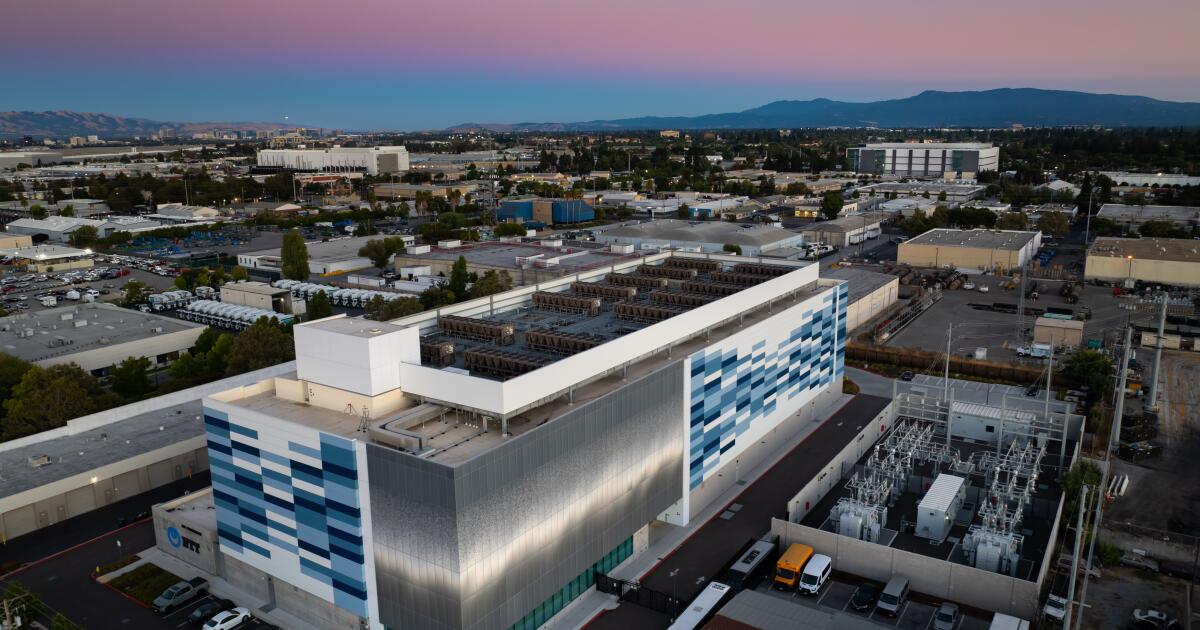
A recent commentary published by the Los Angeles Times highlights concerns regarding a significant increase in data center construction in Nevada, which may impact the electricity supply for approximately 49,000 residents in California. As demand for digital services continues to rise, the proliferation of data centers has become a pressing issue for both state officials and local communities.
Impact on California Residents
The rapid development of data centers in Nevada is raising alarms about the potential strain on electrical resources across state lines. With California already grappling with energy challenges, the influx of energy-intensive data centers in neighboring Nevada could exacerbate the situation. Experts warn that this surge could lead to increased competition for electricity, ultimately affecting the reliability of power for thousands of Californians.
California's energy infrastructure has faced scrutiny in recent years, particularly during peak demand periods. As data centers require substantial amounts of electricity to operate and cool their servers, the expansion in Nevada could divert resources that would otherwise be available to California. This situation underscores the interconnectedness of energy systems across state borders and the need for coordinated planning and management.
Future Considerations
As the trend of building data centers continues, stakeholders are urged to consider the long-term implications for energy supply and sustainability. Policymakers and utility companies must engage in discussions about how to balance the growing demands of the tech industry with the need to maintain a stable and reliable electricity grid for residents. Proactive measures may be necessary to mitigate potential shortages and to ensure that energy resources are allocated efficiently.
The commentary serves as a reminder of the challenges that can arise from rapid technological advancements and the importance of strategic planning in energy management. As California navigates its energy future, the developments in Nevada will likely remain a critical factor in discussions about sustainability and resource allocation.