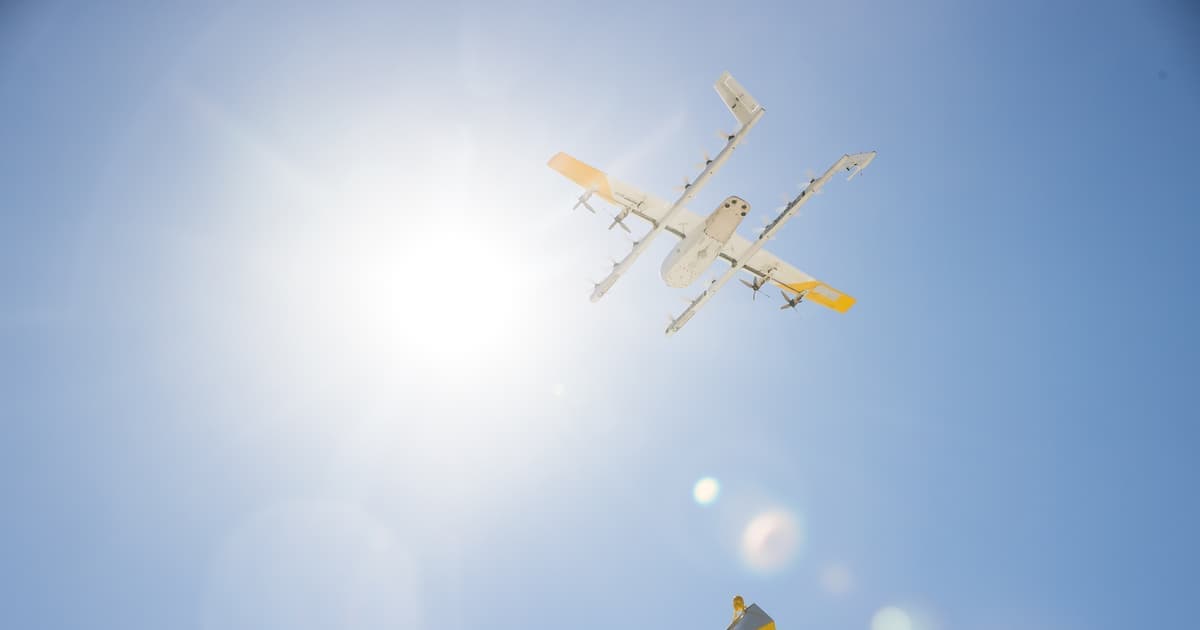
Walmart is set to introduce drone delivery services in Denver, prompting local cities to grapple with regulatory frameworks surrounding this emerging technology. As the retail giant prepares to launch its drone operations, questions regarding oversight and control have taken center stage among city officials and residents alike.
Regulatory Challenges Ahead
As drone delivery becomes more prevalent, the need for clear regulations is becoming increasingly urgent. Local governments in Colorado are assessing their authority to manage airspace and ensure safety standards for drone operations. The challenge lies in balancing innovation with public safety and privacy concerns.
City officials are exploring various regulatory measures that could be implemented to oversee drone deliveries. These discussions include considerations for noise control, flight paths, and the potential impact on local traffic patterns. The goal is to ensure that the introduction of drones does not disrupt the daily lives of residents while also fostering technological advancements in delivery services.
Community Concerns and Future Implications
Residents have expressed mixed feelings about the arrival of drone deliveries. While some are excited about the convenience and efficiency that drones can offer, others are apprehensive about potential noise pollution and privacy issues. Community meetings are being held to gather input from citizens and address their concerns, highlighting the importance of public engagement in the regulatory process.
As Walmart prepares to roll out its drone delivery service, the outcome of these regulatory discussions will be crucial in shaping the future of drone technology in the region. Local governments are tasked with creating a framework that not only supports innovation but also protects the interests of the community. The coming months will be pivotal as cities work to establish regulations that could set a precedent for drone use across the country.