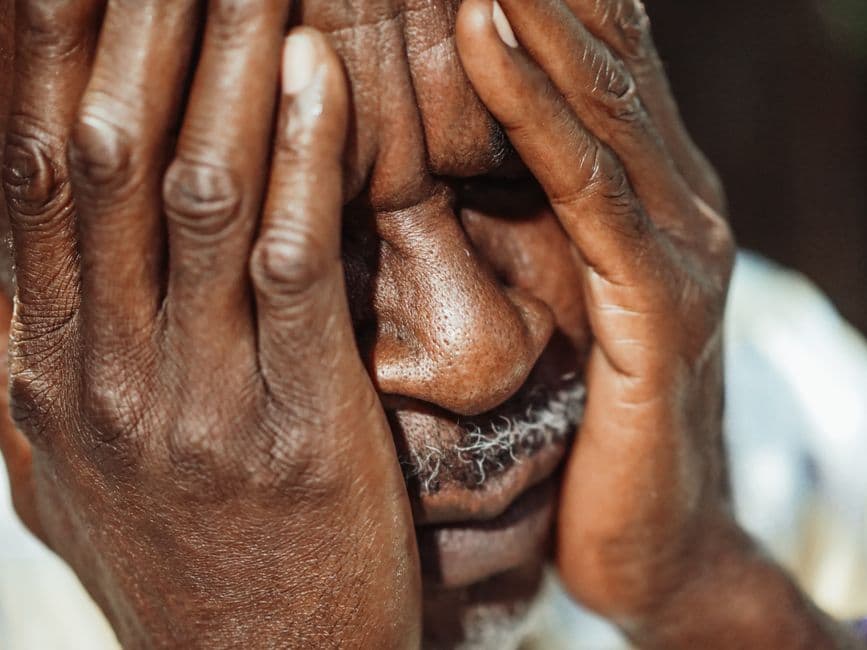
New research indicates that the number of dementia cases worldwide is expected to more than double by the year 2050. This alarming trend highlights significant disparities, particularly affecting women and individuals residing in low- and middle-income countries.
Factors Contributing to Rising Dementia Cases
As the global population ages, the prevalence of dementia is projected to surge, with estimates suggesting that the total number of cases could reach staggering levels. The study emphasizes that women are disproportionately affected, with a higher likelihood of developing dementia compared to men. This gender disparity raises concerns about the long-term implications for healthcare systems and families, as women often serve as primary caregivers for those with dementia.
Additionally, the research points to socioeconomic factors that contribute to the increased rates of dementia in low- and middle-income countries. Limited access to healthcare resources, education, and preventive measures can exacerbate the risk of developing cognitive impairments. As these regions continue to experience demographic shifts, the burden of dementia is expected to rise, creating urgent challenges for public health initiatives.
Implications for Healthcare and Society
The anticipated rise in dementia cases presents a pressing need for enhanced healthcare strategies and support systems. Communities and policymakers are urged to prioritize research and funding aimed at understanding the complexities of dementia and developing effective interventions. Early detection, improved care options, and increased awareness are critical components in addressing this growing health crisis.
As the world prepares for the projected increase in dementia cases, it is crucial to foster a supportive environment for those affected and their families. Advocacy for better resources, education, and policies will play a vital role in mitigating the impact of this condition on individuals and society as a whole.