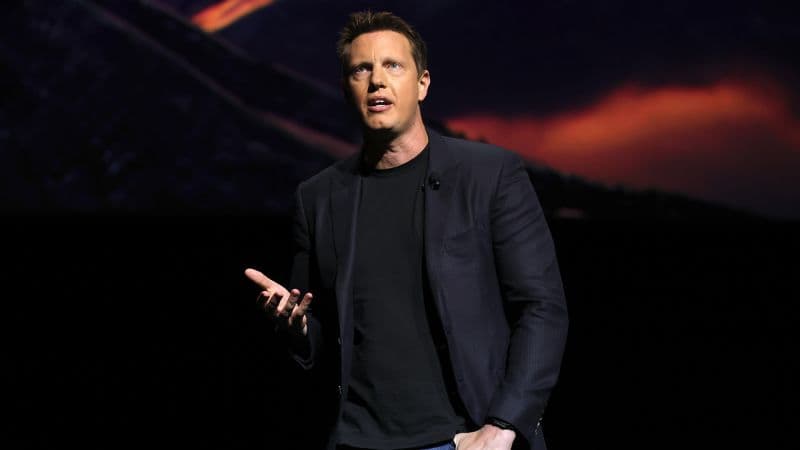
Democratic lawmakers are increasing their scrutiny of David Ellison as Paramount seeks to resolve a state antitrust lawsuit that has hindered its acquisition of Warner Bros. Discovery. The ongoing legal battle has drawn significant attention from political figures who are voicing their concerns over the implications of the merger.
Political Opposition Grows
The opposition from Democrats is part of a broader effort to ensure that the merger does not violate antitrust laws or harm competition in the media landscape. Lawmakers are particularly focused on the potential impact on consumers and the market as a whole, emphasizing the need for careful evaluation of the deal's consequences.
As negotiations continue, Paramount is under pressure to address the concerns raised by lawmakers and demonstrate that the merger would not lead to monopolistic practices. The scrutiny from the Democratic party highlights the intersection of corporate mergers and regulatory oversight, as officials seek to balance business interests with public welfare.
Future Implications
The outcome of this legal battle could have far-reaching implications for both companies involved and the entertainment industry at large. If the deal goes through, it may reshape the competitive landscape, influencing everything from content creation to distribution. Conversely, if the merger is blocked, it could set a precedent for future mergers and acquisitions within the sector.
As the situation develops, both Paramount and Warner Bros. Discovery are expected to navigate a complex web of legal and political challenges, striving to achieve a resolution that satisfies both regulatory bodies and stakeholders in the industry.