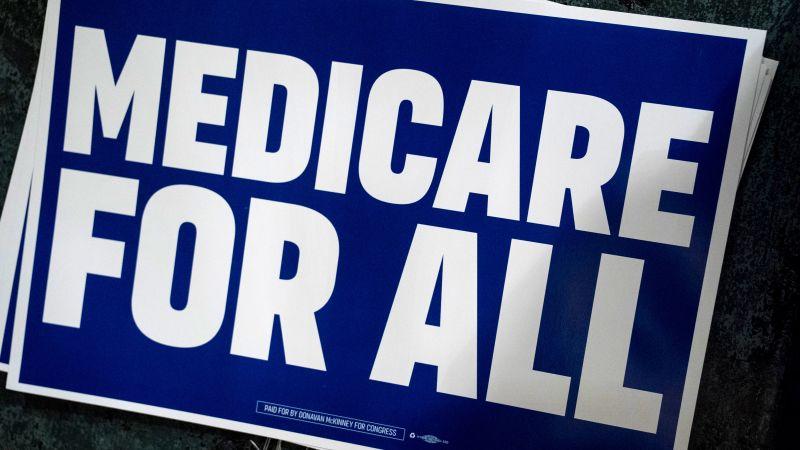
As the Democratic majority prepares to take office, the push for expanding Medicare is gaining momentum. The idea of Medicare for All, once viewed primarily as a progressive campaign slogan, is now being framed as a tangible policy goal. However, the path to implementing such a significant overhaul of the healthcare system is fraught with challenges.
Challenges Ahead for Medicare Expansion
Despite the enthusiasm among some lawmakers, there are substantial hurdles that could hinder the expansion of Medicare. One of the primary obstacles is the political landscape, which includes varying opinions within the Democratic Party itself. While a faction of progressives advocates for a comprehensive Medicare for All plan, moderates express concerns about the costs and the potential impact on existing healthcare plans.
Additionally, the financial implications of expanding Medicare are under scrutiny. Lawmakers must consider how to fund such an initiative, which could require significant tax increases or reallocating funds from other areas. The complexity of the current healthcare system, coupled with the need for bipartisan support, complicates the situation further.
Public Opinion and Legislative Strategy
Public sentiment regarding Medicare expansion is mixed, with some Americans expressing support for universal healthcare, while others fear the loss of their current coverage. As Democrats strategize on how to approach this issue, they will need to navigate these differing viewpoints to build a coalition that can advance their agenda.
As the new Congress convenes, the focus will be on how Democratic leaders prioritize healthcare reform. The ability to unify various factions within the party and address the concerns of constituents will be crucial in determining the future of Medicare expansion efforts.