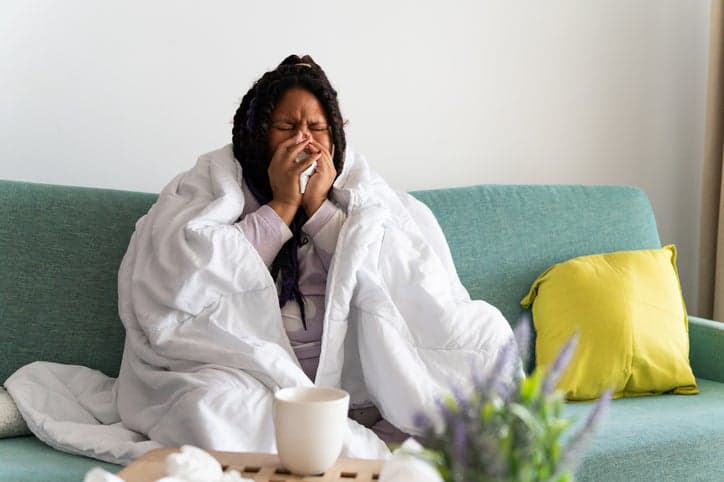
As the colder months approach, many households are turning on their heating systems to stay warm. However, this seasonal shift may inadvertently contribute to an increase in colds and flu among family members. Experts suggest that the drop in indoor humidity levels when heating systems are activated can create an environment conducive to the spread of respiratory illnesses.
Impact of Low Humidity on Health
When furnaces are cranked up, they often reduce indoor humidity significantly. This decrease can lead to dry air, which may irritate the respiratory tract and dry out mucous membranes. The body’s natural defenses against viruses, such as the flu and colds, can be compromised in such conditions. As a result, individuals may become more susceptible to infections as the dry air allows viruses to thrive and spread more easily.
In addition to increasing vulnerability to illness, low humidity can also exacerbate symptoms for those already suffering from respiratory issues. Individuals with asthma or allergies may find their symptoms worsening during the winter months when heating systems are frequently in use. This can lead to discomfort and increased reliance on medications to manage these conditions.
Solutions to Maintain Healthy Indoor Air
To combat the negative effects of dry air, homeowners can take several proactive measures. One effective solution is to use a humidifier to maintain optimal humidity levels indoors. Keeping humidity levels between 30% and 50% can help reduce the likelihood of respiratory infections and improve overall comfort. Regularly monitoring humidity levels with a hygrometer can also help ensure a healthy environment.
Additionally, incorporating houseplants can naturally increase humidity levels while enhancing indoor air quality. Simple practices such as placing bowls of water near heating vents or taking warm showers can also contribute to higher humidity levels. By making these adjustments, families can create a healthier indoor environment that may help reduce the incidence of seasonal illnesses.