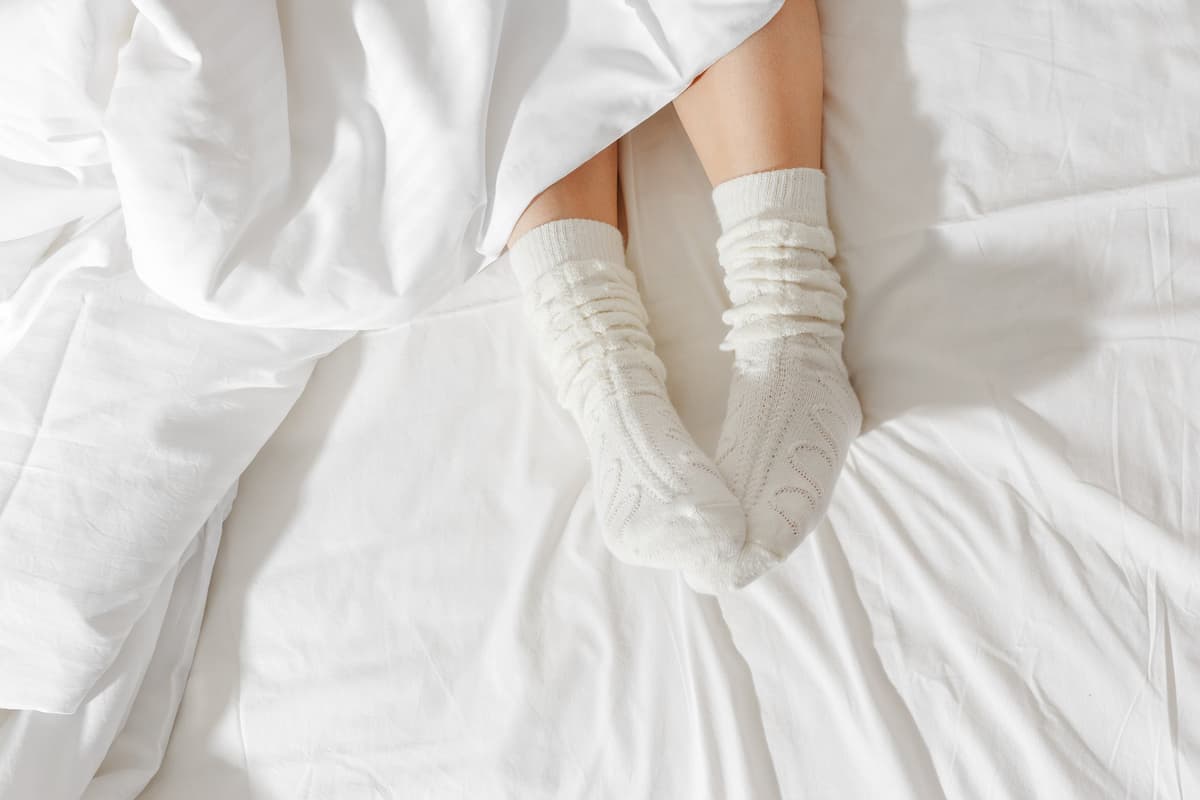
Recent discussions among sleep experts have shed light on the age-old debate of whether wearing socks to bed can actually aid in falling asleep faster. This topic has intrigued many, with opinions often divided between those who prefer the warmth of socks and those who find them uncomfortable while sleeping. However, insights from sleep specialists suggest that there may be more to this practice than mere comfort.
Benefits of Wearing Socks to Bed
According to sleep doctors, wearing socks to bed can help regulate body temperature, which is a crucial factor in achieving a restful night's sleep. The body naturally cools down as it prepares for sleep, and having warm feet can facilitate this process. The warmth from socks can promote better blood circulation, which may lead to a quicker onset of sleep. This is particularly beneficial for individuals who often experience cold feet at night, as it can create a more comfortable sleeping environment.
Additionally, some experts note that the act of wearing socks can have a psychological effect. The feeling of cozy, warm feet can signal to the brain that it is time to wind down and prepare for sleep. This ritualistic aspect of putting on socks may help individuals establish a bedtime routine, further enhancing their ability to fall asleep. For those who struggle with sleep onset, incorporating socks into their nightly routine could be a simple yet effective strategy.
Considerations for Sleep Quality
While wearing socks can be beneficial for many, it is essential to consider personal comfort and preferences. Not everyone finds socks conducive to sleep, and for some, they may cause discomfort or overheating. Sleep specialists recommend selecting breathable materials that allow for moisture-wicking to prevent overheating during the night. Cotton or bamboo socks are often suggested as good options for those looking to keep their feet warm without compromising comfort.
Ultimately, the decision to wear socks to bed comes down to individual preference, but the insights from sleep experts suggest that it could be a helpful addition for those struggling to fall asleep. As with any sleep-related practice, it is essential to listen to one’s body and find what works best for achieving a restful night’s sleep.