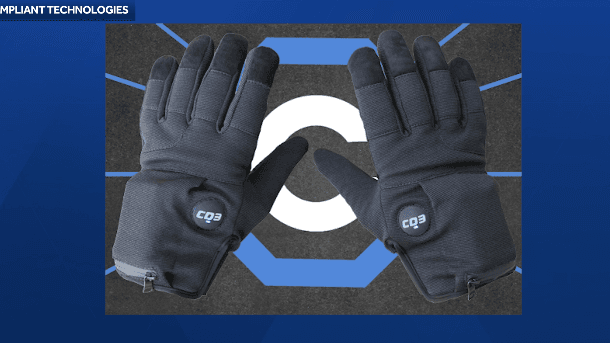
The Department of Homeland Security is reportedly planning to allocate up to $20 million for the purchase of electric shock gloves intended for use by Immigration and Customs Enforcement (ICE) agents. This proposal has raised numerous questions regarding the safety, effectiveness, and ethical implications of equipping federal agents with such technology.
Details of the Proposal
The initiative is part of an effort to enhance the capabilities of ICE agents in the field. While the specific features and intended applications of the electric shock gloves remain unclear, the investment reflects a growing trend towards the use of advanced technology in law enforcement. The gloves are expected to provide a non-lethal means of subduing individuals during confrontations, potentially reducing the need for more extreme measures.
However, the plan has not been without controversy. Critics are voicing concerns about the potential for misuse and the implications of introducing electric shock devices into routine law enforcement practices. Questions about the training required for agents to use the gloves safely and effectively have also emerged. Furthermore, the ethical considerations surrounding the use of such technology in immigration enforcement are prompting discussions among lawmakers and advocacy groups.
Future Implications
As the Department of Homeland Security moves forward with this proposal, stakeholders are closely monitoring the developments. The decision to invest in electric shock gloves may set a precedent for the integration of similar technologies in law enforcement across the country. The ongoing debate surrounding this initiative highlights the balance between ensuring officer safety and protecting the rights of individuals in custody.
With the plan still in its early stages, further details are expected to emerge as the Department of Homeland Security finalizes its approach. The implications of this investment will likely be felt not only within ICE but also across the broader landscape of law enforcement practices in the United States.