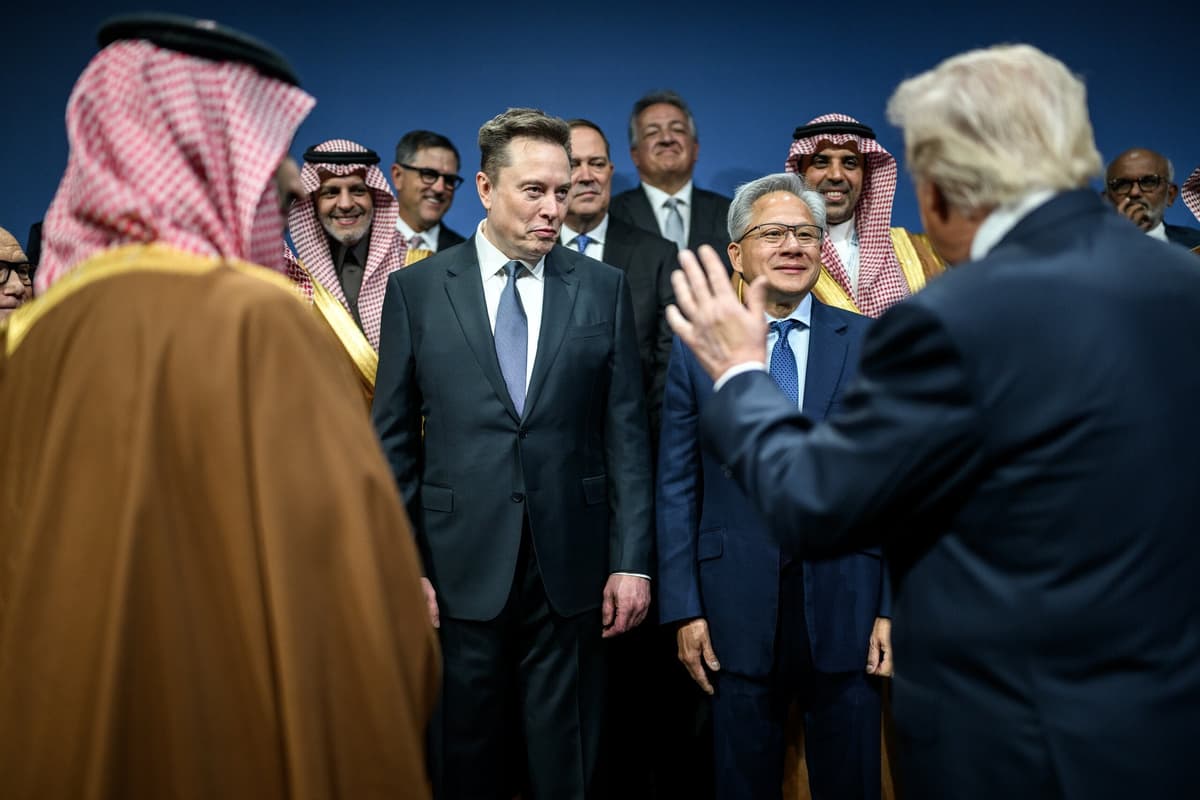
In a surprising turn of events, tech giants Elon Musk and Jensen Huang have announced a partnership that many industry experts believe could redefine the landscape of artificial intelligence (AI) infrastructure. This collaboration comes on the heels of four significant developments in the tech world that suggest a strategic alignment between the two influential figures. As the demand for advanced AI technologies continues to surge, this partnership may play a crucial role in determining who will dominate the next wave of innovation.
Strategic Alliances in Technology
The recent announcements from both Musk and Huang have sparked speculation about their intentions and the potential implications for the tech industry. Musk, known for his leadership roles at companies like Tesla and SpaceX, has long been a proponent of pushing technological boundaries. Meanwhile, Huang, the CEO of NVIDIA, has been at the forefront of AI hardware and software development, positioning his company as a leader in the field.
Industry analysts are closely monitoring this partnership, as it could signal a shift in how AI infrastructure is developed and utilized. With both leaders bringing their unique expertise to the table, the collaboration may foster innovations that enhance computational capabilities and efficiency. As AI continues to integrate into various sectors, the ability to harness and manage this technology effectively will be paramount.
Implications for the Future
The convergence of Musk's visionary approach and Huang's technical prowess could lead to the creation of new tools and platforms that will shape the future of AI. This partnership is expected to focus on developing cutting-edge solutions that leverage the strengths of both companies. As the competition for AI supremacy intensifies, this alliance may also influence market dynamics and investment strategies across the technology sector.
As the world watches closely, the implications of this partnership extend beyond just technology. The control over AI infrastructure could translate into significant economic power, with the potential to generate trillions of dollars in revenue. Stakeholders in the tech industry are keen to see how this collaboration unfolds and what it will mean for the future of AI development.