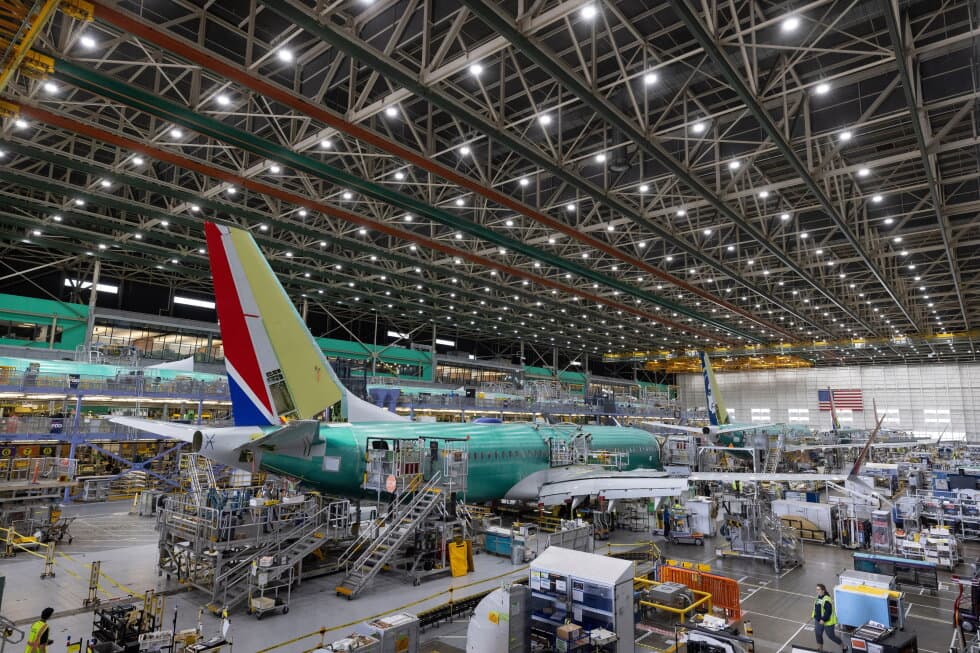
FAA Grants Boeing Authority for Self-Certification of Jets
The Federal Aviation Administration (FAA) has announced that Boeing will be permitted to resume self-certifying the airworthiness of its 737 Max and 787 aircraft. This significant decision will take effect starting next week, allowing the aerospace giant to take greater responsibility for ensuring the safety and compliance of its planes.
This development marks a pivotal moment for Boeing, which has faced intense scrutiny and regulatory challenges following the grounding of the 737 Max fleet in 2019 after two fatal crashes. The FAA's decision to grant Boeing self-certification capabilities is seen as a step towards restoring the company's credibility and operational autonomy within the aviation industry.
Implications for Boeing and the Aviation Industry
The ability to self-certify means that Boeing will conduct its own assessments and validations of its aircraft designs and manufacturing processes, rather than relying solely on FAA oversight. This change is expected to expedite the certification process for new aircraft and modifications, potentially leading to increased production rates and improved delivery timelines.
However, this decision also raises concerns among some safety advocates and industry experts, who argue that allowing manufacturers to self-certify could lead to conflicts of interest and may undermine rigorous safety standards. The FAA has emphasized that it will continue to oversee Boeing's compliance and will conduct regular audits to ensure that the company's self-certification processes meet federal safety regulations.
As Boeing prepares to implement this new self-certification authority, the company is expected to enhance its internal safety protocols and maintain transparency in its operations to rebuild trust with regulators, airlines, and the flying public.