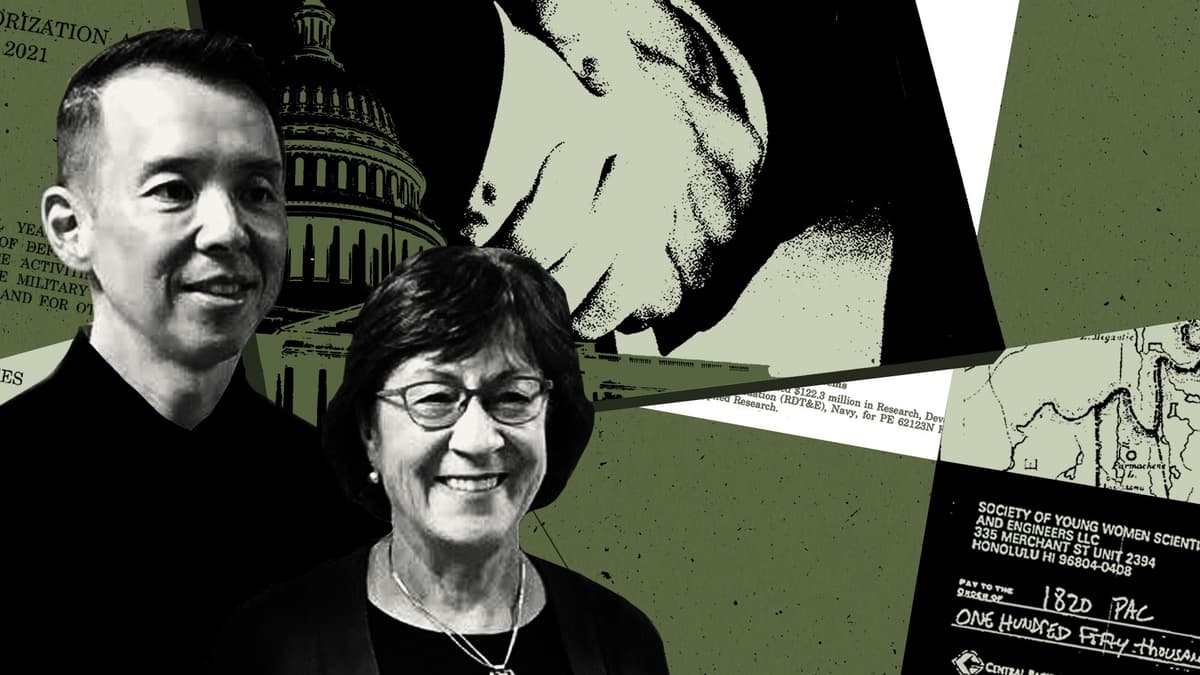
The FBI has initiated an investigation into potential political bribery involving Senator Susan Collins and several other officials, following revelations about illegal campaign contributions made by a defense contractor’s CEO. This inquiry comes after the contractor was found to have made unlawful donations, prompting federal authorities to look deeper into the connections between campaign financing and political influence.
Investigation Background
The investigation centers around a defense contractor whose CEO allegedly funneled illegal contributions to various political campaigns. The FBI's interest in Senator Collins arises from her previous engagements with the contractor and the potential implications of the contributions on her political actions. The probe aims to uncover whether these donations were intended to sway political decisions or gain favorable treatment from lawmakers.
As part of the investigation, the FBI is expected to examine a range of financial records and communications to assess the extent of the contractor's influence over political figures. This scrutiny reflects broader concerns about the intersection of campaign financing and ethics in politics, particularly regarding defense contracts and government spending.
Political Reactions
While the investigation is still in its early stages, it has already sparked discussions among political analysts and watchdog groups about the role of money in politics. Critics argue that such contributions can lead to conflicts of interest and undermine public trust in elected officials. Supporters of campaign finance reform are calling for stricter regulations to prevent similar situations in the future.
Senator Collins has not publicly commented on the investigation. As the situation develops, it remains to be seen how this inquiry will impact her political career and the broader landscape of campaign finance in the United States.