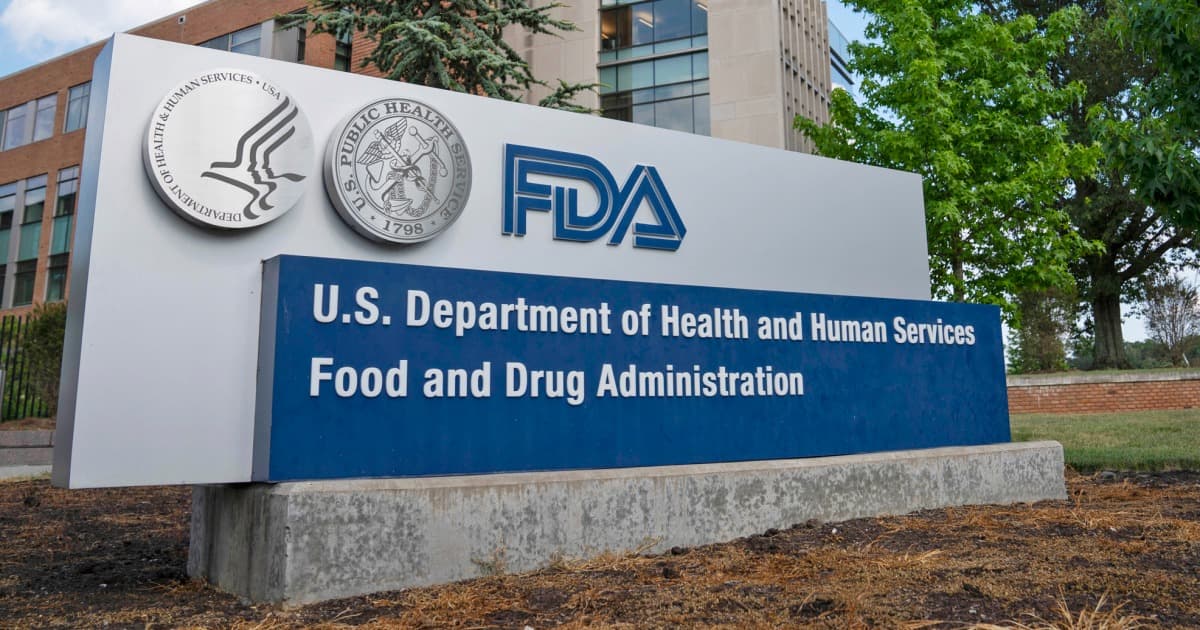
FDA Panel Recommends Easing Restrictions on Peptides
A panel of experts at the Food and Drug Administration (FDA) has recommended easing restrictions on several peptides, including BPC-157, despite opposition from the agency’s career scientists. This recommendation marks a significant shift in the regulatory landscape for these substances, which have garnered interest for their potential therapeutic benefits.
The panel's decision comes after extensive discussions and evaluations of the current evidence surrounding the safety and efficacy of these peptides. While the panel acknowledged the potential benefits, it diverged from the conclusions of FDA scientists, who argued that there was insufficient data to support such a change in policy. This disagreement highlights the ongoing debate within the agency about the balance between innovation in treatment options and ensuring patient safety.
Implications for Future Research and Treatment
The easing of restrictions could pave the way for increased research into the therapeutic applications of peptides like BPC-157, which has been studied for its potential healing properties. Advocates believe that allowing greater access to these substances could lead to new treatment avenues for various conditions, although critics caution that more rigorous scientific validation is necessary.
As the FDA considers the panel's recommendations, the outcome may influence not only the availability of these peptides but also the broader regulatory approach to similar compounds in the future. Stakeholders in the medical and scientific communities are closely monitoring the developments, as they could have significant implications for patient care and the pharmaceutical industry.