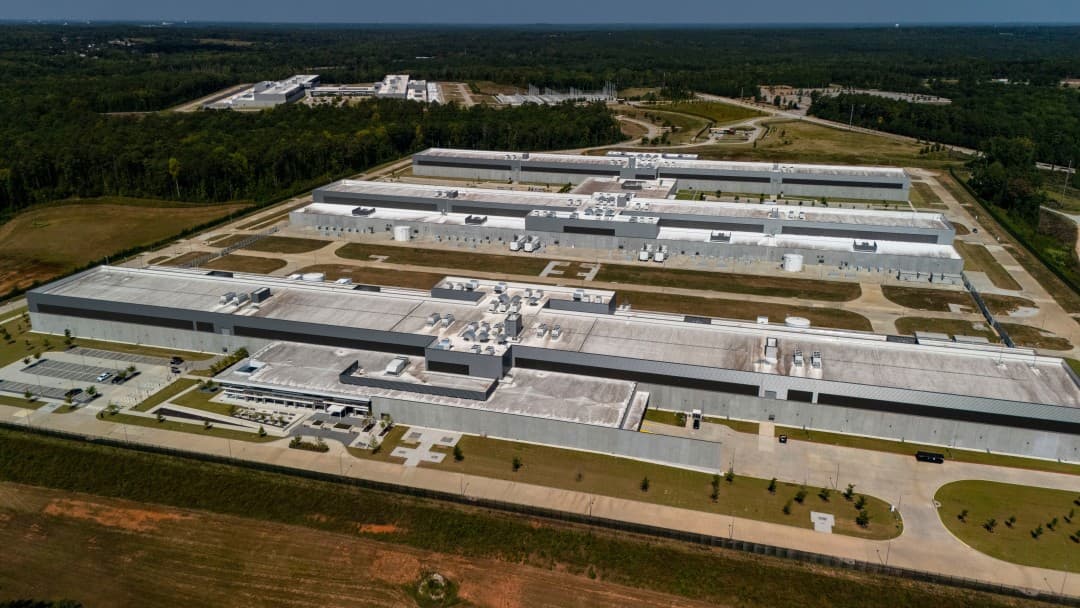
The Federal Reserve has identified the rapid growth of data centers as a significant factor contributing to rising prices in the economy. Minutes from the Fed's September meeting, released on Wednesday, reveal that officials are increasingly concerned about the impact of the burgeoning artificial intelligence (AI) infrastructure on inflationary pressures.
Impact of AI Infrastructure
As demand for AI technologies surges, the need for robust data center infrastructure has intensified. This expansion has led to increased investments in technology and infrastructure, which, according to Fed officials, may be influencing overall price levels. The minutes suggest that the Fed is closely monitoring these developments, recognizing that the data center boom could have broader economic implications.
Officials noted that the rapid growth in data centers is not only reshaping the tech landscape but also contributing to higher energy consumption and resource allocation. This shift could strain supply chains and push prices higher, particularly in sectors reliant on digital services and cloud computing. The Fed's acknowledgment of these trends underscores the interconnectedness of technology advancements and economic conditions.
Future Considerations
The Fed's assessment highlights the need for ongoing evaluation of how technological advancements impact inflation. As the AI sector continues to evolve, the central bank may need to adjust its monetary policies to address the potential economic ramifications. The minutes indicate that officials are prepared to respond to changing conditions, emphasizing their commitment to maintaining price stability while fostering economic growth.
In summary, the Federal Reserve's latest insights reflect a growing recognition of the data center boom as a key factor in the current economic climate. As AI technologies advance, their influence on inflation and economic dynamics will likely remain a focal point for policymakers in the months ahead.