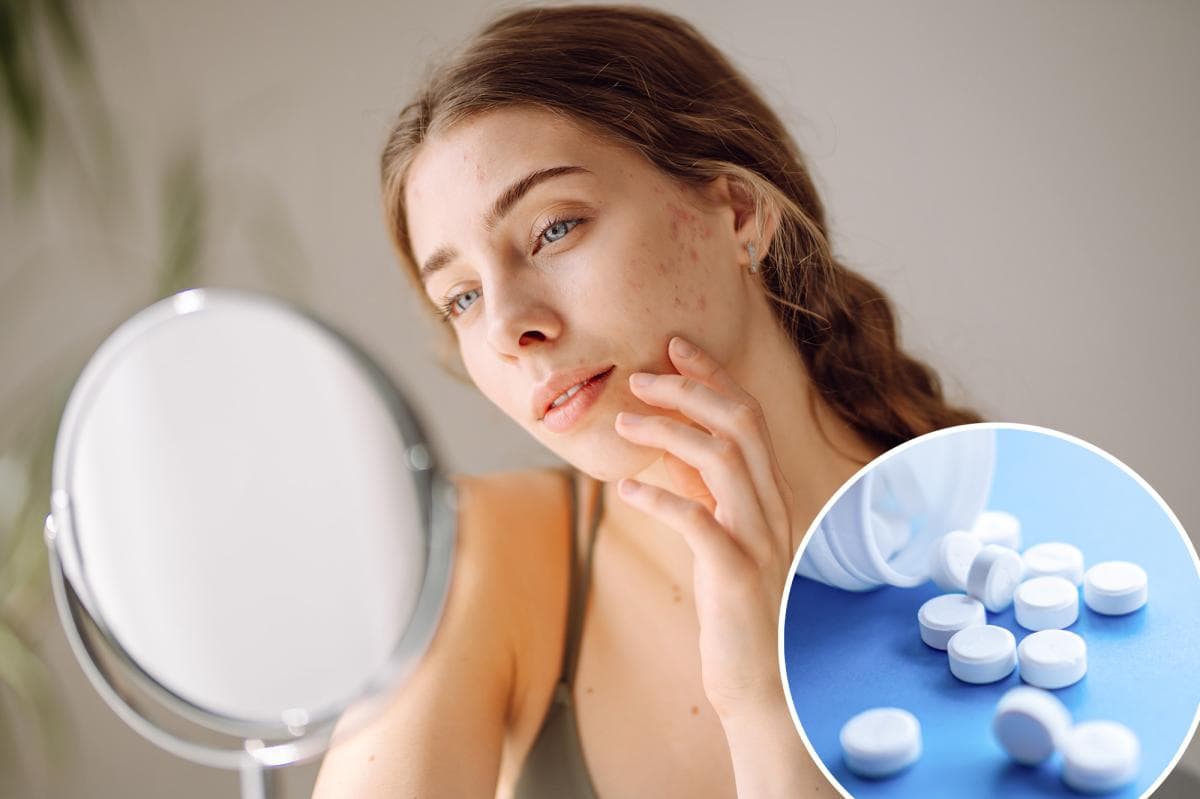
Social media users have recently coined the term "ferritin face" to describe a range of physical appearances that may indicate a mineral deficiency, particularly low ferritin levels. This phenomenon is characterized by symptoms such as pale, washed-out skin, dull lips, and dark under-eye circles. As more people share their experiences online, the conversation surrounding the impact of ferritin deficiency on appearance has gained traction.
Understanding Ferritin Deficiency
Ferritin is a protein that stores iron in the body, and low levels can lead to various health issues, including anemia. The symptoms associated with ferritin deficiency can manifest not only in physical health but also in one's appearance. Individuals reporting "ferritin face" have noted that their skin lacks vibrancy, with some describing a sallow complexion and increased fatigue. These signs can be distressing, prompting many to seek advice on how to address the underlying deficiency.
Health experts emphasize the importance of iron in maintaining overall well-being, including the health of skin and hair. Iron is essential for the production of hemoglobin, which carries oxygen to cells throughout the body. When ferritin levels are low, the body may not receive adequate oxygen, leading to visible signs of fatigue and poor skin health.
Community Reactions and Solutions
The online community's response to the "ferritin face" trend has been a mix of concern and curiosity. Many individuals are sharing tips on how to boost ferritin levels, including dietary changes and supplements. Foods rich in iron, such as red meat, beans, and leafy greens, are often recommended. Additionally, pairing iron-rich foods with vitamin C can enhance absorption, further supporting those looking to improve their ferritin levels.
As discussions continue to unfold on social media, the awareness surrounding ferritin deficiency and its potential impact on appearance may encourage more individuals to consult healthcare professionals. Understanding the signs and symptoms of deficiencies can be crucial for maintaining both health and confidence.