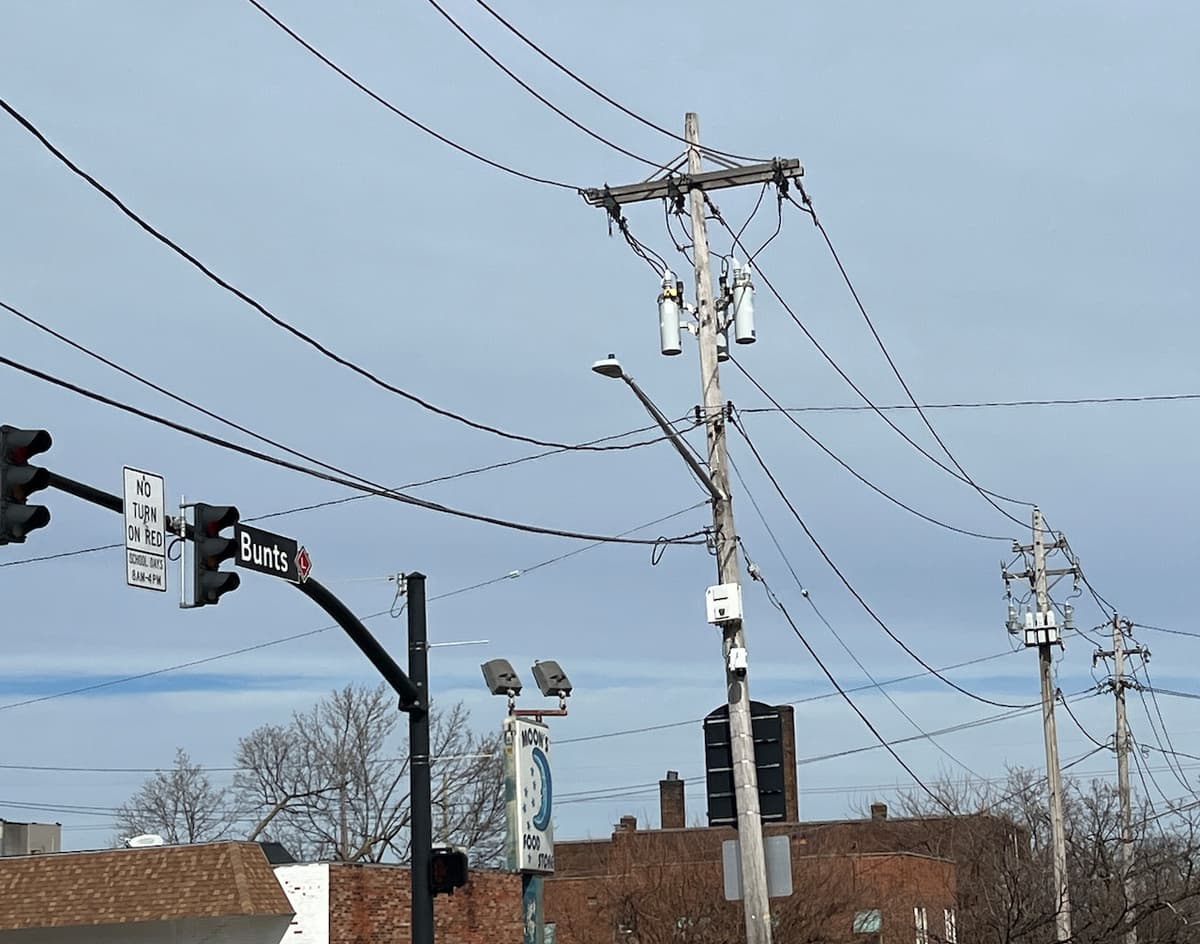
Ohio regulators have proposed a $3.05 million forfeiture against FirstEnergy due to outages that affected residents in Lakewood. The decision comes as part of an ongoing effort to hold the utility accountable for service disruptions that have impacted customers in the region. However, the proposed forfeiture would not benefit the affected customers directly, as the funds are intended to go to the state rather than being used for refunds, bill credits, or other forms of compensation.
Impact on Lakewood Residents
The outages that prompted the regulatory action have raised concerns among Lakewood residents regarding the reliability of their electrical service. Many customers have expressed frustration over the frequency and duration of power interruptions, which have caused significant inconvenience. The proposed forfeiture is seen as a measure to address these issues, but the lack of direct compensation for customers has left some feeling dissatisfied with the response.
FirstEnergy has faced scrutiny in recent years for its handling of outages and customer service. The proposed forfeiture reflects a broader trend of regulatory oversight aimed at ensuring utility companies maintain reliable service and uphold their responsibilities to customers. While the state may benefit from the financial penalty, the absence of direct relief for affected customers continues to be a point of contention.
Regulatory Oversight and Future Implications
The Ohio Public Utilities Commission's decision to propose this forfeiture highlights the ongoing challenges faced by utility companies in maintaining service standards. As regulators seek to enforce accountability, the implications of this action may extend beyond Lakewood, potentially influencing how other utility companies operate in the state. The situation serves as a reminder of the importance of reliable electrical service and the need for effective regulatory measures to protect consumers.
As discussions continue regarding the forfeiture and its implications, FirstEnergy has yet to publicly respond to the proposed penalty. The outcome of this regulatory action may set a precedent for how utility companies are held accountable for outages and service failures in the future.