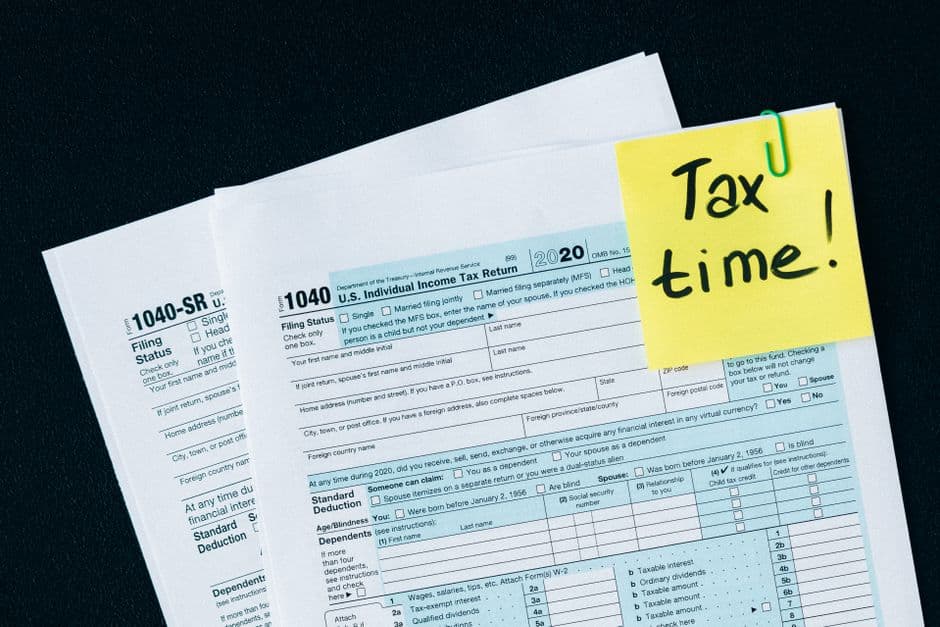
If you’ve filed your tax return and later realize that you made a mistake, you might be wondering how to correct it. Specifically, if you are a US person living in the United States, including those on work visas like H-1B or green card holders, you may need to amend your return using Form 1040-X. But when is it appropriate to do so, and what are the implications for your foreign accounts?
Understanding Form 1040-X
Form 1040-X is the official form used to amend a previously filed federal tax return. This form allows you to correct errors, such as misreported income or missed deductions. If you discover that your original return was incorrect, it’s essential to act promptly. However, keep in mind that there are time limits for claiming a refund on an amended return, which can vary based on the nature of the error.
When to Consider Amending Your Return
Amending your return is generally a good idea if you need to correct significant errors that could affect your tax liability. For example, if you failed to report income earned in India, this could potentially lead to issues since US tax residents are taxed on their worldwide income. If your amended return will result in a refund, it’s especially important to file Form 1040-X within the designated time frame.
However, it’s crucial to assess whether amending is the best route for your situation. If your issues primarily relate to foreign accounts, you might want to explore streamlined procedures instead of amending your return. These procedures can sometimes be more beneficial, especially if you have foreign financial accounts that require reporting.
Foreign Financial Accounts and FBAR
If you have foreign financial accounts, you may also need to consider the Foreign Bank Account Report (FBAR), which is filed separately from your federal tax return. The FBAR filing requirement is triggered if the aggregate balance of all your foreign accounts exceeds $10,000 at any point during the calendar year. This includes accounts you own as well as those where you have signature authority.
Remember that the FBAR deadline follows the tax return due date in April, with an automatic extension available until October. You do not need to request an extension for the FBAR, but you must ensure that you file it electronically through the FinCEN BSA E-Filing System.
What to Do Next
If you believe you need to amend your tax return, start by gathering all relevant documents and reviewing your original return for errors. If your situation involves foreign accounts, assess whether streamlined procedures might be more appropriate than an amendment. Finally, if you decide to proceed with Form 1040-X, ensure you file it within the applicable time limits to claim any potential refunds. Taking these steps will help you maintain compliance with both US and Indian tax regulations.
Before you act on this
This article is general information for the Indian community in the United States, not tax or legal advice. Thresholds, penalty amounts and filing dates are set by the IRS and FinCEN and are adjusted over time, so confirm the current year's figures before you rely on them. Your own position depends on your visa status, residency and the specific accounts you hold — speak to a qualified cross-border tax professional before filing or making a decision.