Gen X Investors Face Challenges with Near-Retirement Portfolios
As many Americans in the 50-55 age range approach retirement, the lingering effects of the dotcom bubble continue to influence their investment strategies. With approximately 10 to 15 working years left, these individuals are tasked with extending the growth of their 401(k) and IRA accounts. However, the fear of an ill-timed market crash looms large, prompting a reevaluation of their financial plans.
Market Volatility and Investment Strategies
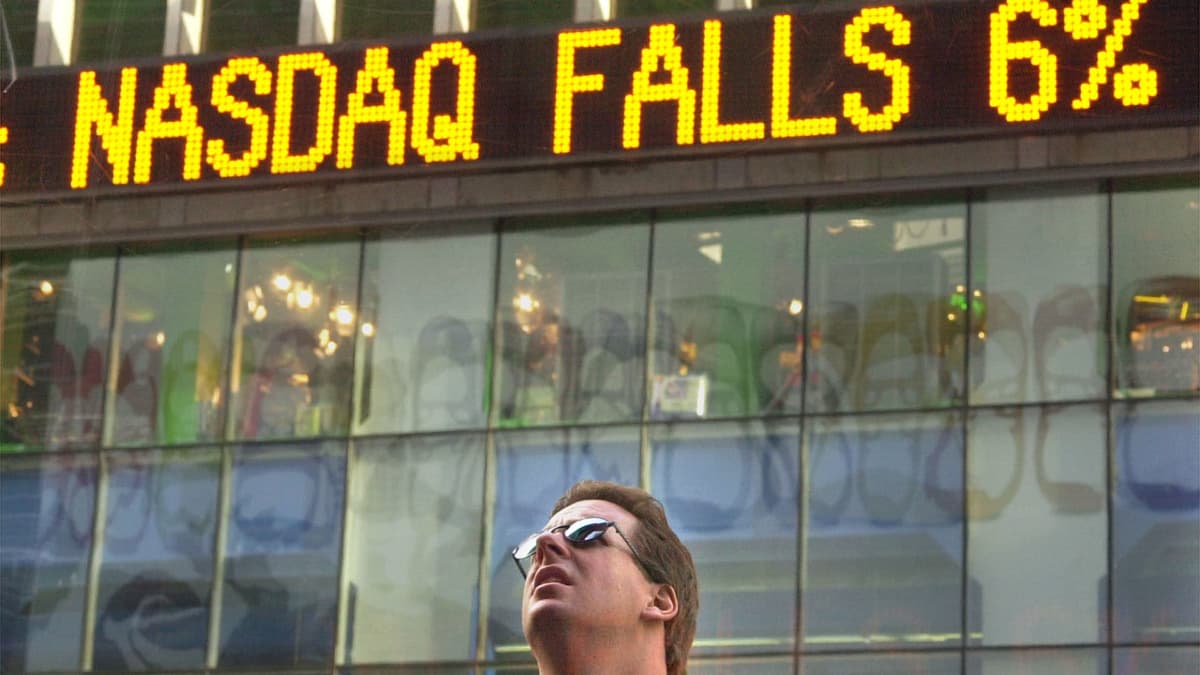
Investors from Generation X are particularly aware of the risks associated with market volatility, having witnessed the dramatic rise and fall of tech stocks during the late 1990s and early 2000s. This experience has shaped their attitudes toward risk and investment choices as they prepare for retirement. Many are seeking to balance the need for growth with the necessity of preserving their capital, making strategic decisions that could impact their financial security in the coming years.
As these investors navigate their portfolios, they are increasingly drawn to more conservative investment options. This shift reflects a desire to mitigate potential losses while still aiming for sufficient growth to support their retirement plans. Financial advisors recommend diversifying investments and considering safer assets to shield against unexpected downturns, ensuring that their portfolios remain resilient in the face of uncertainty.
In addition to adjusting their investment strategies, Gen X investors are also focusing on maximizing contributions to retirement accounts. With fewer years left to save, they are urged to take full advantage of employer-sponsored retirement plans and individual retirement accounts. This proactive approach is essential for building a robust nest egg that can withstand market fluctuations as they transition into retirement.
As the economic landscape continues to evolve, the concerns of near-retirement Gen X investors highlight the importance of strategic financial planning. Balancing growth potential with risk management remains a critical challenge, as these individuals prepare for a future that may hold both opportunities and uncertainties.