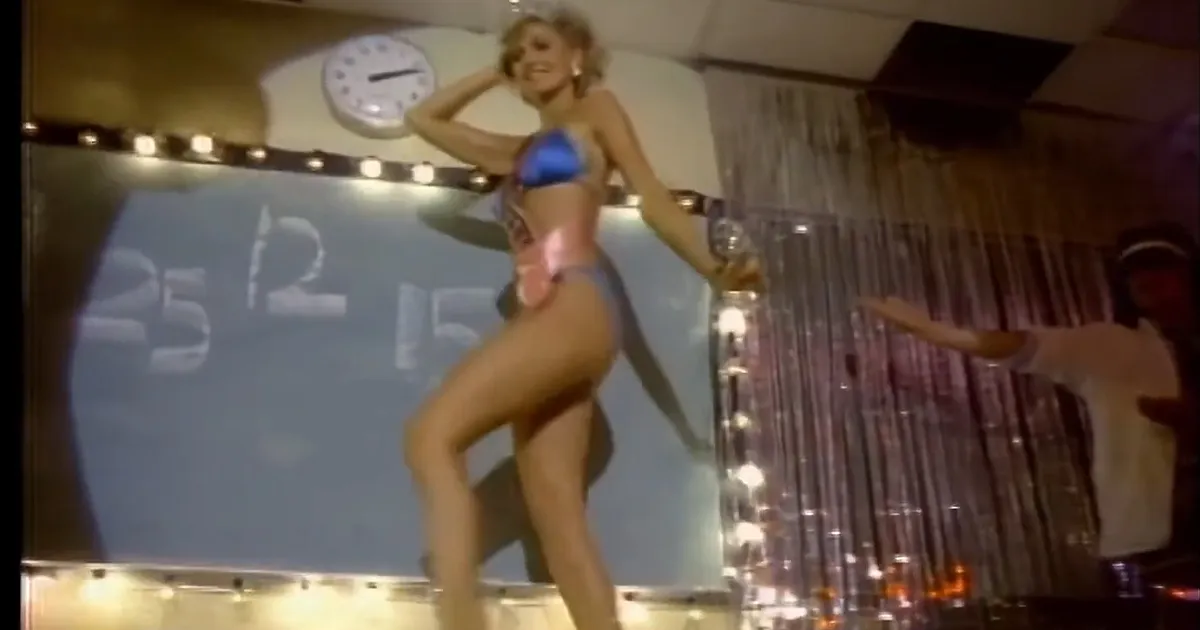
In a recent analysis, it has been revealed that the music video for "Hot for Teacher" fails to meet four specific California Common Core education standards. This finding has sparked discussions about the educational implications of popular media and its alignment with state educational goals.
Concerns Over Educational Standards
The report, published by The Hard Times, highlights the discrepancies between the content presented in the iconic music video and the educational benchmarks set forth by California's Common Core standards. These standards are designed to ensure that students acquire essential skills in areas such as reading, writing, and critical thinking. However, the video, which is known for its provocative themes, has been criticized for not facilitating the educational objectives intended by the state's curriculum.
Experts in education have expressed concern that the portrayal of certain themes in popular music videos could detract from the learning experience. The analysis suggests that educators must be vigilant about the types of media that are integrated into classroom discussions and how they align with educational standards. The failure to meet these standards raises questions about the influence of entertainment on student learning and engagement.
Impact on Students and Educators
As schools continue to incorporate various forms of media into their teaching methods, the implications of such findings could lead to a reevaluation of how popular culture is utilized in educational settings. Teachers may need to critically assess the content they present to students, ensuring that it supports the development of the skills outlined in the Common Core standards.
The conversation surrounding the "Hot for Teacher" video serves as a reminder that while entertainment can be an engaging tool in education, it is crucial to maintain a focus on the educational outcomes that are expected from students. As discussions about media literacy and critical thinking gain traction, educators and parents alike are encouraged to consider the broader impacts of popular media on youth education.