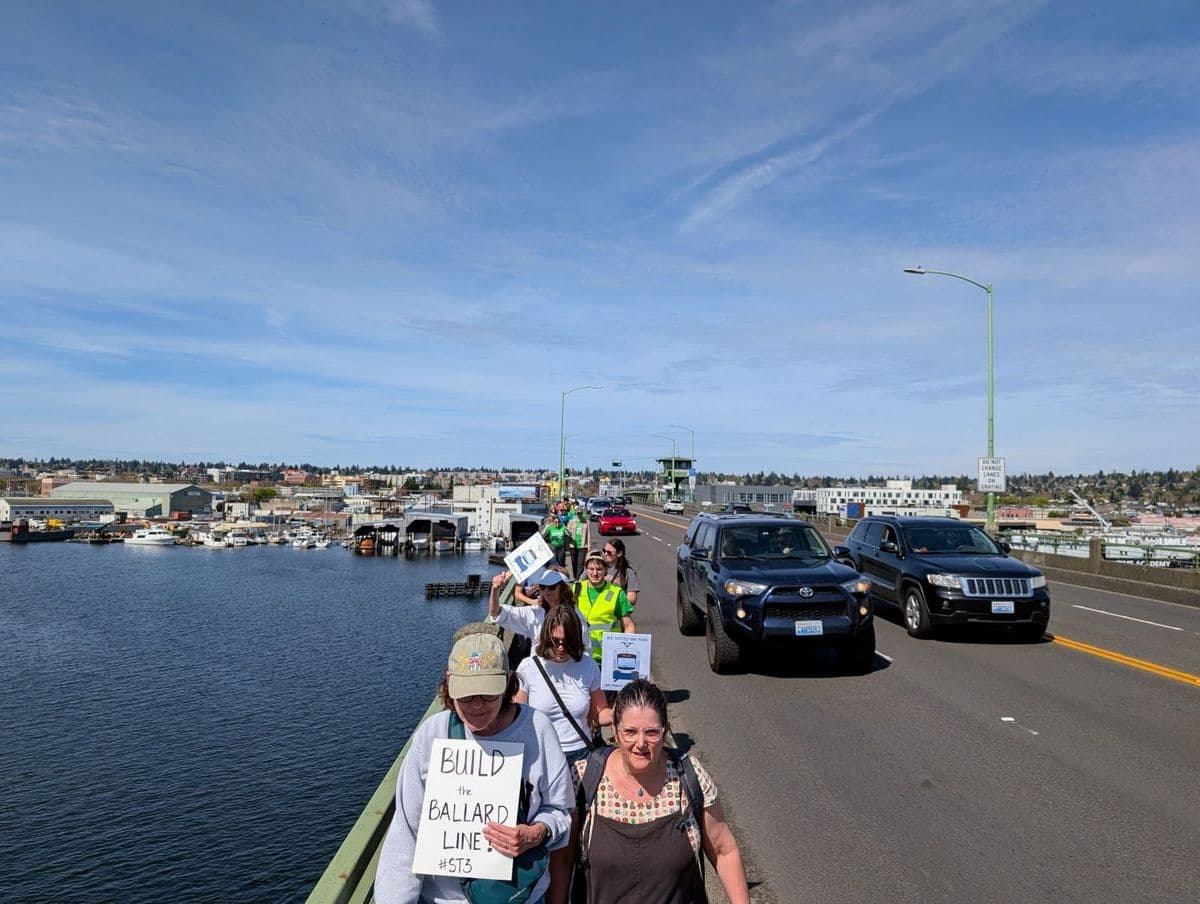
Sound Transit has announced that the full Ballard Link light rail line in Seattle could take until 2060 to complete, raising concerns about the timeline for key stations in the Interbay and Ballard neighborhoods. This updated schedule reflects the agency's current inability to identify significant cost savings or secure additional financial resources needed for the project.
Challenges Facing the Project
The projected delay highlights ongoing challenges in funding and construction that have plagued the Ballard Link project. As Sound Transit navigates these obstacles, the agency has emphasized the importance of exploring all possible financial strategies to expedite the process. However, without major breakthroughs, the timeline remains extended, leaving residents and stakeholders anxious about the future of public transit in the area.
Community leaders and transit advocates have expressed frustration over the prolonged timeline, noting that efficient public transportation is crucial for the growth and sustainability of the neighborhoods served by the light rail. The Ballard Link line is expected to provide significant benefits, including reduced traffic congestion and improved accessibility to downtown Seattle and surrounding areas. Yet, the lengthy construction period could hinder these advantages from being realized in a timely manner.
Looking Ahead
As Sound Transit continues to assess its options, the agency remains committed to keeping the public informed about the progress of the Ballard Link project. Future updates will be essential in addressing community concerns and ensuring that stakeholders are engaged in the planning process. With the 2060 timeline now in place, the focus will shift to finding innovative solutions that could potentially accelerate the construction of this critical transit line.
The Ballard Link light rail project is a key component of the larger transportation network aimed at enhancing connectivity throughout the region. As discussions continue, the future of the project will depend on collaboration among local leaders, community members, and transit officials to navigate the complexities of funding and construction.