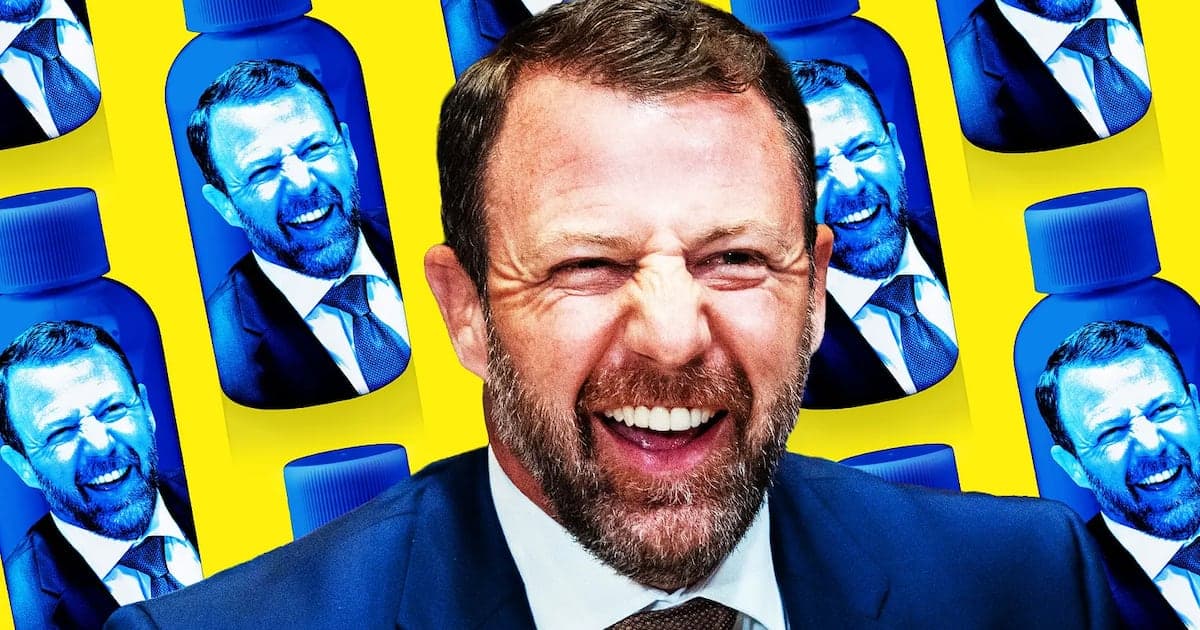
Markwayne Mullin, a prominent figure in the beverage industry, has made headlines with his recent admission regarding his involvement in FeelFree, a company that produces a kratom-based drink. This revelation has sparked significant discussion, particularly given Mullin's connections to controversial figures in federal enforcement.
Controversial Beverage and Its Origins
FeelFree has drawn scrutiny for its use of kratom, a substance derived from a tropical tree native to Southeast Asia, which has been associated with both potential health benefits and risks. The drink's formulation has raised questions among health officials and lawmakers about its safety and regulatory status. Mullin's stake in the company highlights a growing trend in the beverage market that is increasingly leaning towards alternative and unregulated ingredients.
As the founder of FeelFree, Mullin has positioned himself at the forefront of this emerging sector, which some advocates claim offers a natural alternative to traditional energy drinks. However, the use of kratom remains contentious, with various health organizations warning against its consumption due to potential side effects and lack of extensive research.
Political Connections and Implications
Adding another layer to this story is Mullin's connection to figures within the Trump administration, particularly those associated with Immigration and Customs Enforcement (ICE). This relationship has raised eyebrows and led to speculation about the influence of political connections on business operations, especially in industries that operate in gray areas of legality and regulation.
As Mullin continues to navigate the complexities of the beverage industry and its regulatory landscape, his admissions and the ongoing discussions surrounding FeelFree will likely remain a point of interest for both consumers and policymakers. The intersection of health, business, and politics in this case exemplifies the challenges and controversies present in today's marketplace.