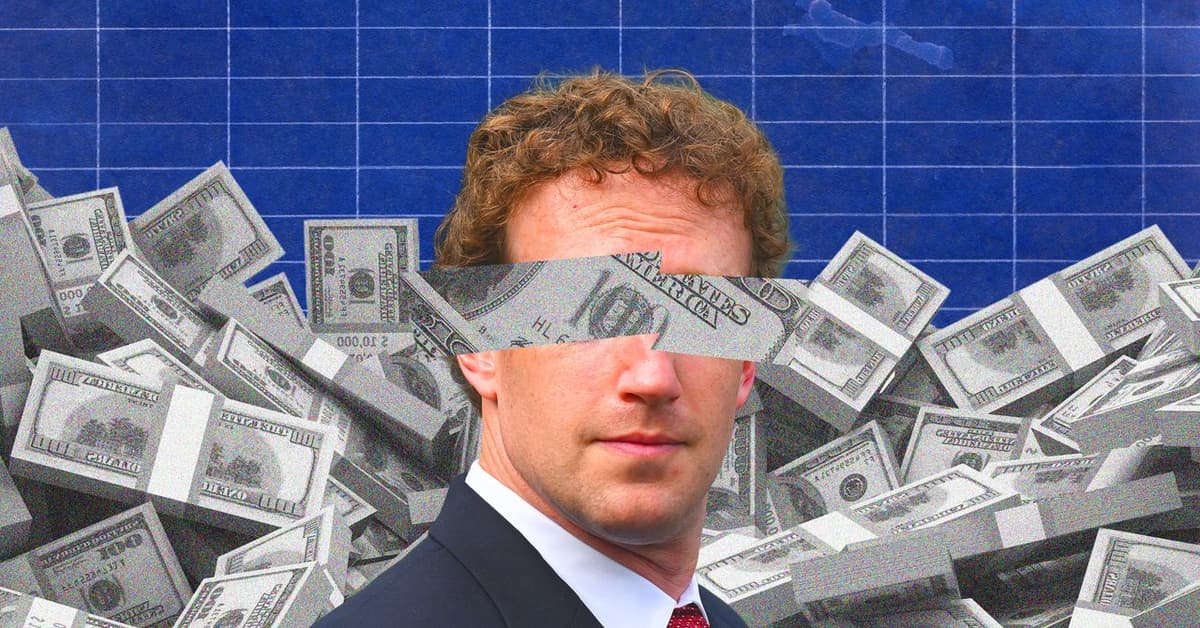
Meta Platforms Inc., the parent company of Facebook and Instagram, has recently been subjected to its largest fine to date, adding to a growing list of financial penalties imposed by courts. This development raises questions about the accountability of major tech companies and the implications of such fines on their operations.
Record Fine and Ongoing Legal Challenges
The latest fine comes amid a series of legal challenges faced by Meta, which has been scrutinized for its handling of user data, privacy concerns, and various other regulatory issues. This substantial financial penalty highlights the increasing pressure on tech giants to adhere to legal standards and protect user rights. As courts continue to impose fines, the cumulative financial burden on Meta raises concerns about the company's ability to operate without significant disruptions.
Legal experts are weighing in on the implications of this fine, suggesting that while it may serve as a deterrent, it also poses questions about the effectiveness of financial penalties in holding large corporations accountable. Critics argue that fines, even when substantial, may not be enough to change corporate behavior if they are viewed as a cost of doing business.
The Bigger Picture of Corporate Accountability
This situation with Meta is not isolated; it reflects a broader trend within the tech industry where companies face increasing scrutiny over their practices. As regulators and lawmakers push for greater transparency and accountability, the question remains: how many billions would it truly take to hold companies like Meta accountable for their actions?
As the dialogue around corporate responsibility continues, stakeholders are calling for more than just monetary penalties. There is a growing consensus that systemic changes are necessary to ensure that tech companies prioritize ethical practices and user safety. The outcome of Meta's ongoing legal battles may shape the future landscape of corporate accountability in the tech sector.