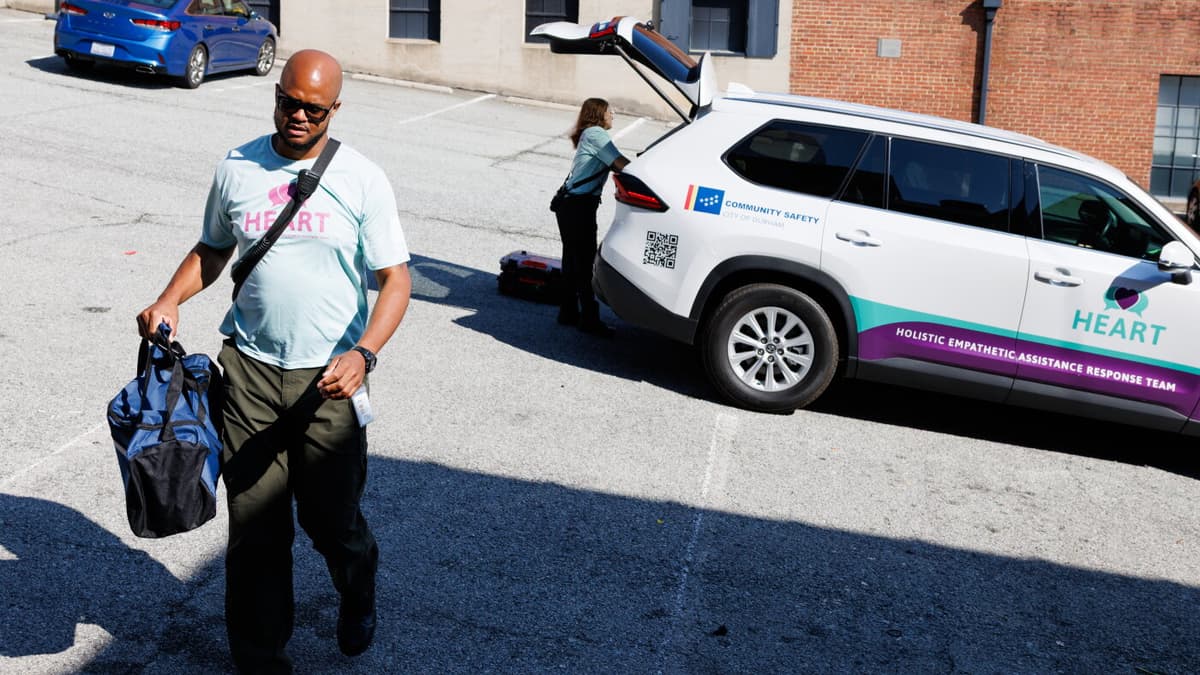
In the wake of heightened scrutiny over policing practices, nearly 100 cities across the United States have begun implementing alternative response programs that utilize unarmed teams to address 911 calls, particularly those involving mental health crises. These initiatives aim to provide a more appropriate and compassionate response to individuals in distress, moving away from traditional law enforcement methods that may not always be suitable for such situations.
Transforming Public Safety Approaches
These alternative response programs have gained momentum since the murder of George Floyd in 2020, which sparked widespread calls for police reform and a reevaluation of public safety strategies. Mental health clinicians, social workers, and other trained professionals are now being dispatched alongside or instead of police officers to handle emergencies that may require specialized care. This shift reflects a growing recognition that many 911 calls stem from mental health issues rather than criminal activity.
Implementing these programs requires careful planning and collaboration among various stakeholders, including mental health organizations, local governments, and community members. Effective training for responders is crucial, as they must navigate complex situations while ensuring the safety of both the individuals in crisis and themselves. Additionally, establishing clear protocols for when and how to engage law enforcement, if necessary, is essential to maintain public safety.
Challenges and Successes
While the alternative response model shows promise in improving outcomes for individuals experiencing mental health crises, it is not without its challenges. Funding remains a significant barrier for many cities looking to adopt or expand these programs. Additionally, public perception and acceptance of unarmed responders can vary, necessitating ongoing community engagement and education efforts to build trust and understanding.
Despite these hurdles, cities that have successfully implemented alternative response programs report positive outcomes, including reduced rates of incarceration for individuals in crisis and improved access to mental health services. As these initiatives continue to evolve, they may serve as a blueprint for reshaping public safety in a manner that prioritizes compassion and care over punitive measures.