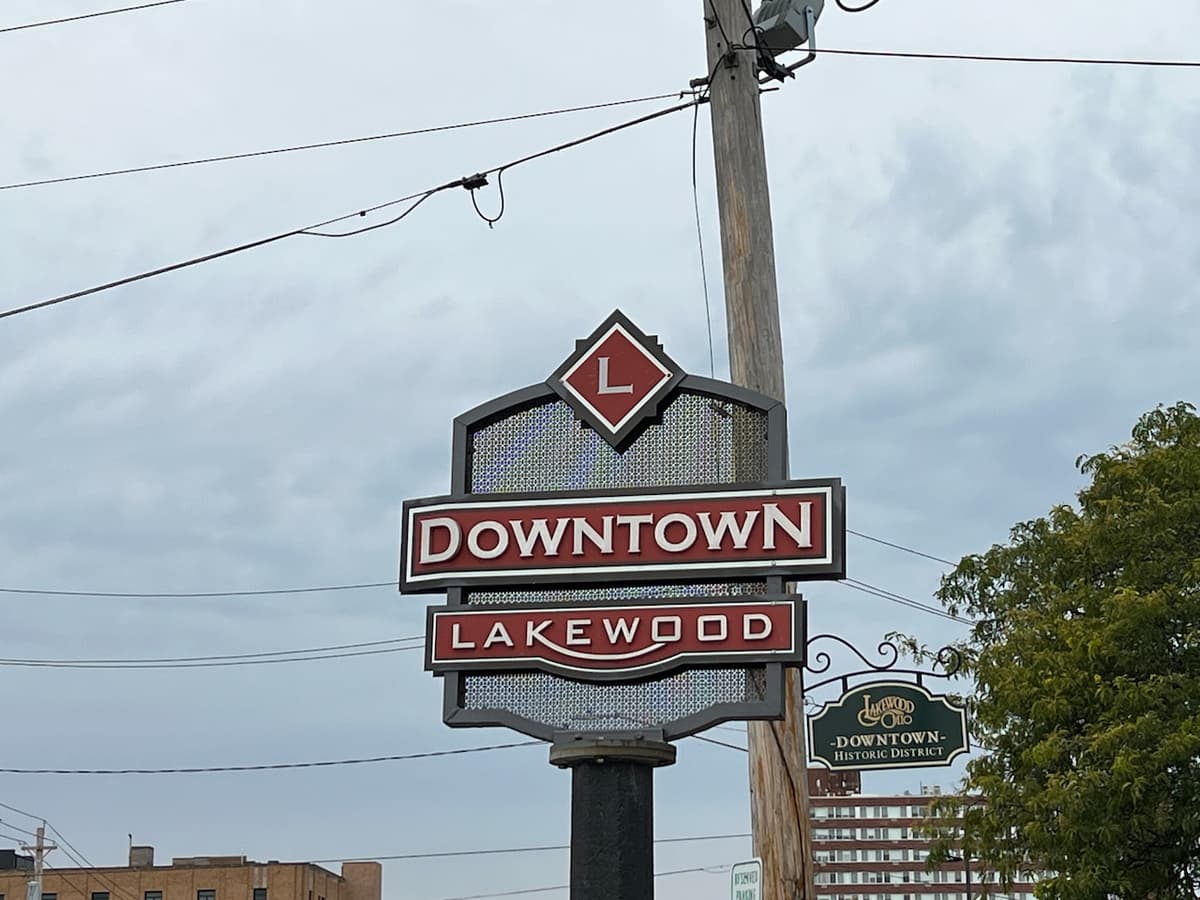
A recent $3 million fine imposed on FirstEnergy due to power outages in Lakewood has ignited discussions about the allocation of these funds. Residents and local officials are questioning why the penalty, which was levied as a result of service failures, should not be redirected to directly benefit the community that was affected.
Community Impact and Concerns
The outages, which caused significant disruptions, have left many residents frustrated and seeking accountability from the utility company. The fine was intended as a punitive measure for FirstEnergy's failure to provide reliable service. However, many in Lakewood believe that the impacted residents should see some of the financial relief from the penalty, rather than having the funds go to the state's general fund.
Local leaders are advocating for a portion of the fine to be allocated to community initiatives that could help mitigate the impact of future outages. Suggestions have included investing in infrastructure improvements, emergency preparedness programs, and assistance for residents who experienced hardships during the outages. The sentiment among residents is that they should benefit from the penalties imposed on the utility company that failed to meet its obligations.
A Call for Change
This situation raises broader questions about how utility companies are held accountable for service failures and how penalties are utilized. Advocates for Lakewood residents are calling for a review of the policies surrounding utility fines, emphasizing the need for a system that prioritizes community recovery and support. They argue that if utility companies are penalized for their failures, the affected communities should have a direct stake in the resolution and compensation process.
As discussions continue, residents and officials alike are hopeful that their voices will be heard and that the outcome will lead to positive changes for Lakewood. The outcome of this debate could set a precedent for how similar situations are handled in the future, potentially reshaping the relationship between utility companies and the communities they serve.