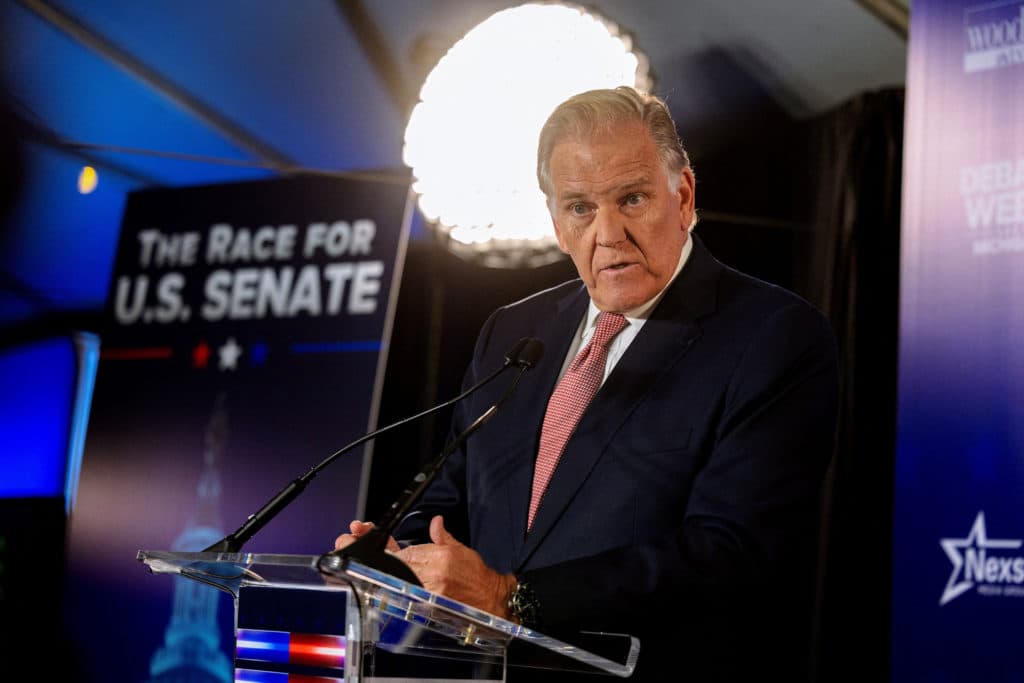
The first debate in Michigan's closely watched U.S. Senate race took place on Thursday, featuring a heated exchange between Republican candidate Mike Rogers and Democrat Abdul El-Sayed. The candidates engaged in a combative dialogue, with both sides trading personal attacks and interrupting each other throughout the evening.
Contentious Exchanges
As the debate progressed, it became clear that both candidates were eager to establish their positions while simultaneously undermining their opponent. Rogers, a former congressman, focused on El-Sayed's background and political experience, questioning his qualifications for the Senate. El-Sayed, a physician and former Detroit health director, countered by highlighting Rogers' political record and aligning him with unpopular policies.
Throughout the debate, the tension escalated as both candidates spoke over one another, making it challenging for the audience and moderators to follow the discussion. This aggressive style of debate is indicative of the high stakes involved in this Senate race, which is seen as crucial for both parties as they seek to gain control of the Senate. Voters are closely watching how candidates handle themselves in such high-pressure situations.
Implications for the Election
The combative nature of the debate may reflect the broader political climate leading up to the election. With both candidates seeking to galvanize their respective bases, the focus on personal attacks could resonate with voters who are increasingly frustrated with traditional political discourse. As the race continues, it remains to be seen how these tactics will influence voter sentiment and turnout in the upcoming election.
As the campaign progresses, both Rogers and El-Sayed will likely face more opportunities to engage with voters and clarify their positions. The outcome of this Senate race will be closely monitored, not only for its implications in Michigan but also for its potential impact on the national political landscape.