Oil prices surged to $100 per barrel following an attack by Iran-backed Houthi rebels on two Saudi tankers in the Red Sea. The incident has raised concerns about the stability of oil supplies in the region, prompting a significant increase in global oil prices. Analysts suggest that the escalation of tensions in the Middle East could lead to further volatility in the oil market.
The attacks on the tankers have drawn international condemnation and heightened fears of a broader conflict in the region. The Red Sea is a critical shipping lane for oil transportation, and any disruption can have widespread implications for global energy markets. Industry experts are closely monitoring the situation, as further escalations could lead to even higher prices at the pump for consumers.
New Tariffs Announced by Trump
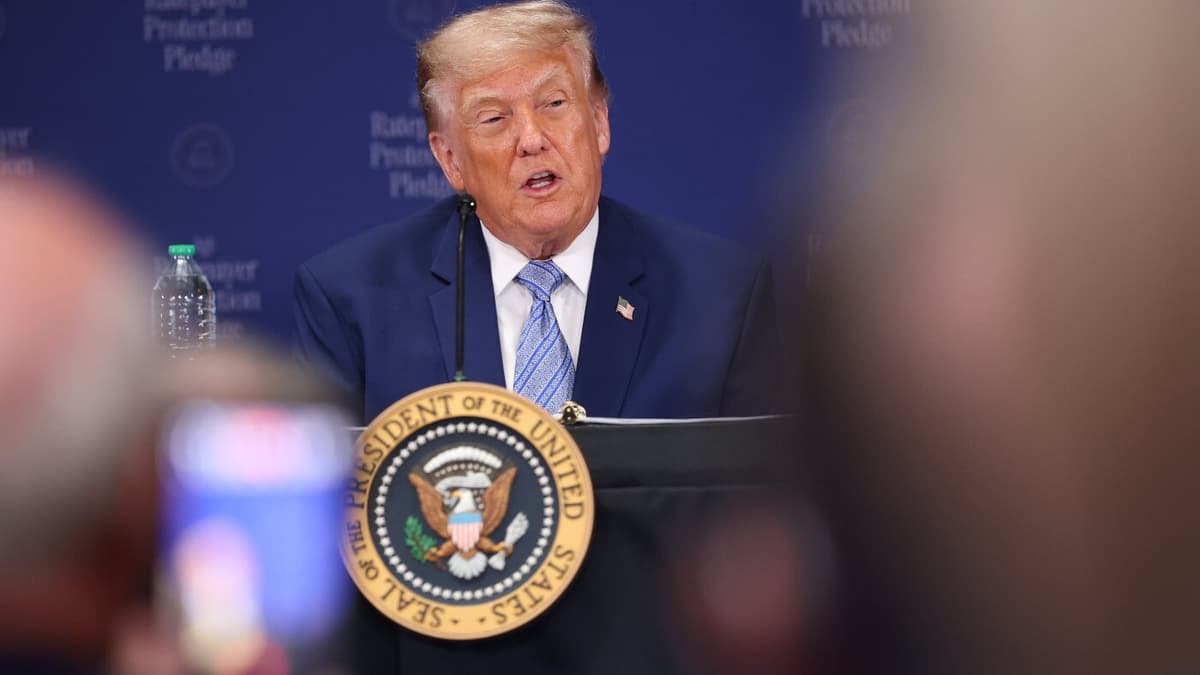
In a separate development, President Trump has announced the replacement of expiring tariffs with a new set of tariffs overnight. This move is expected to impact various sectors of the economy, with potential repercussions for trade relations and domestic markets. The specifics of the new tariffs have not been fully disclosed, but they are part of the administration's ongoing efforts to address trade imbalances and protect American industries.
The combination of rising oil prices and new tariffs could create challenges for consumers and businesses alike. As the cost of oil rises, transportation and production costs may increase, potentially leading to higher prices for goods and services. Economists are advising businesses to prepare for potential shifts in market conditions as these developments unfold.