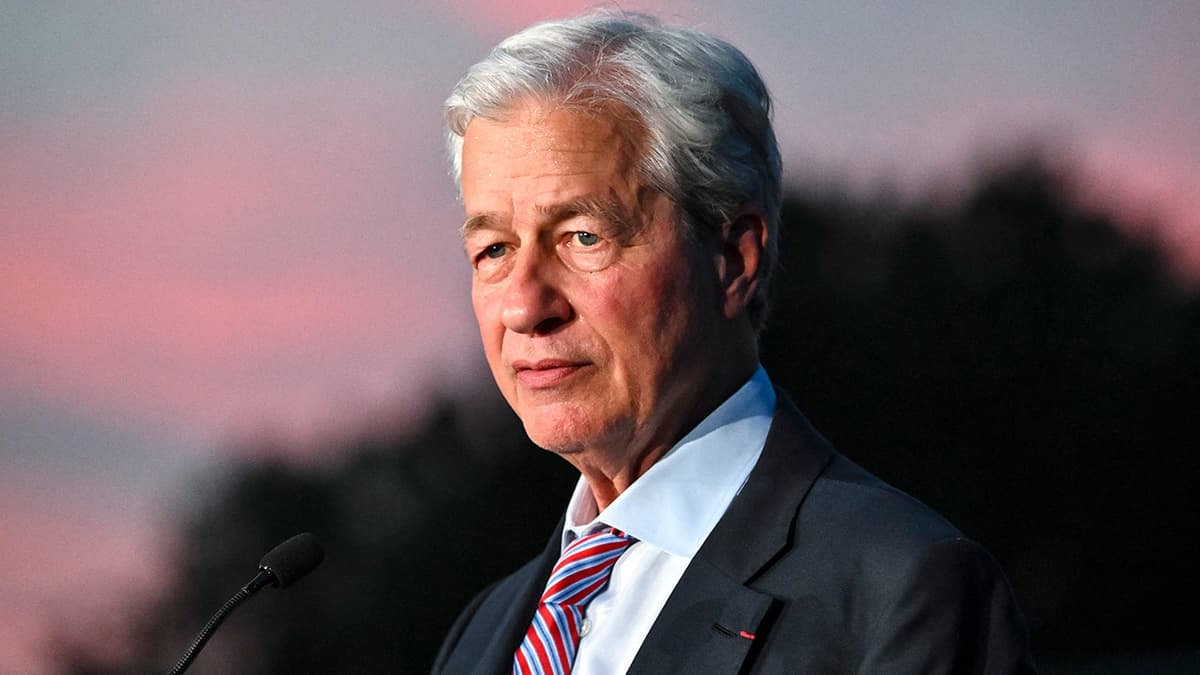
JPMorgan Chase CEO Jamie Dimon has expressed an understanding of the growing sentiment among working-class Americans who have developed an "anti-rich" attitude. In recent comments, he attributed this shift in perception to decades of failed public policies that have impacted rural areas and inner cities across the nation.
Dimon's remarks highlight a significant concern regarding economic inequality and the challenges faced by many communities. He emphasized that the disconnect between the wealthy and the working class has been exacerbated by policies that have not adequately addressed the needs of these populations. This acknowledgment comes at a time when discussions about wealth distribution and economic opportunity are increasingly prevalent in public discourse.
Impact of Economic Policies
During his address, Dimon pointed out that many individuals in rural and urban areas feel left behind by the economic system. He noted that these sentiments are not unfounded, as many families have struggled with stagnant wages, limited job opportunities, and a lack of access to essential services. He called for a reevaluation of public policies to better support these communities and bridge the growing divide between different socioeconomic groups.
The CEO's comments resonate with a broader conversation about the responsibilities of corporations and wealthy individuals in addressing systemic issues. As leaders in the financial sector, Dimon and others are increasingly being called upon to contribute to solutions that promote economic equity and support for the working class.
Looking Ahead
As the nation continues to grapple with economic disparities, Dimon's insights may contribute to a more nuanced understanding of the challenges faced by many Americans. His recognition of the frustrations felt by working-class citizens serves as a reminder of the importance of inclusive economic policies that prioritize the welfare of all citizens, not just the affluent.
Moving forward, it remains to be seen how corporate leaders like Dimon will engage with these issues and what steps will be taken to address the concerns of those who feel marginalized in today's economy. The ongoing dialogue surrounding wealth, opportunity, and policy reform will likely shape the future landscape of American economic policy.