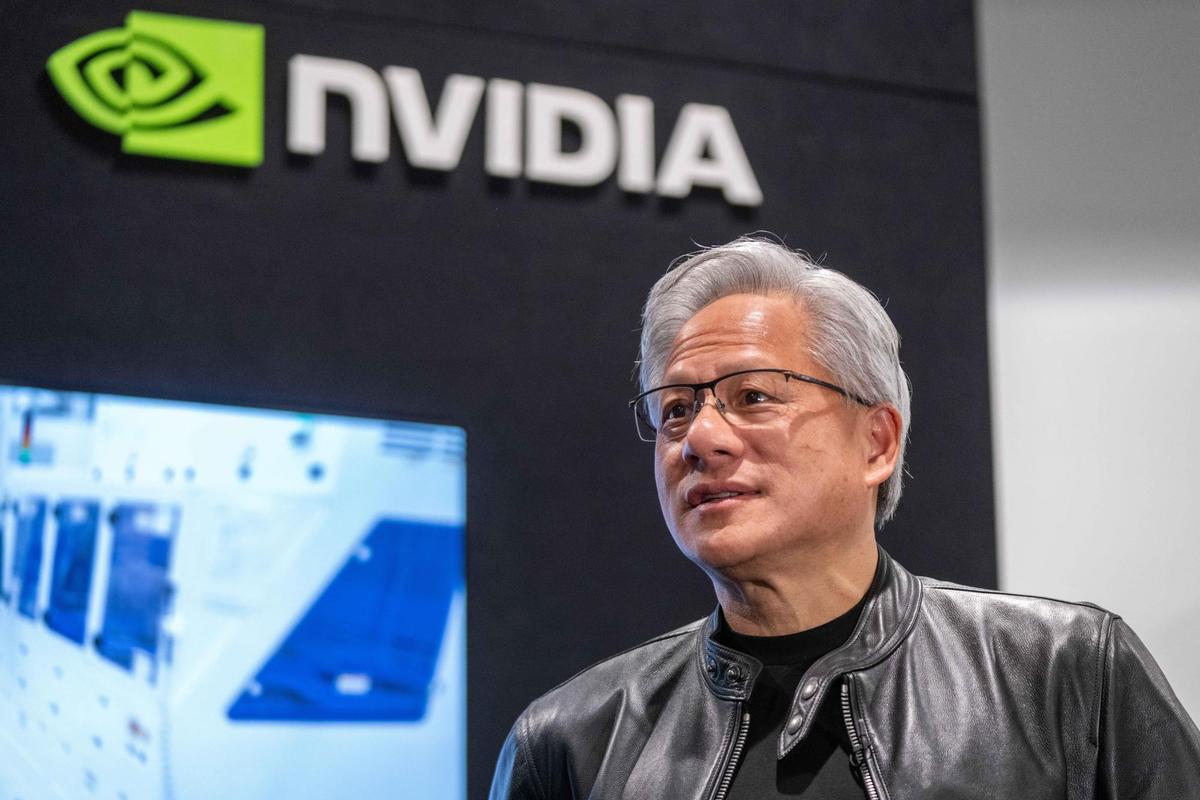
Concerns have been raised regarding the potential reinstatement of Jensen Huang at Nvidia, with critics highlighting the implications of his leadership on national security and information control. Huang's role in overseeing critical technological advancements has sparked a debate about the responsibilities that come with such power, particularly in the context of sensitive data that could impact the lives of many Americans.
Opponents of Huang's return argue that his influence over information and technology could pose significant risks if mismanaged or compromised. They emphasize the need for lawmakers to scrutinize the potential consequences of reinstating a figure with such far-reaching control over vital technological infrastructure. The call for increased oversight reflects broader concerns about the intersection of technology, security, and governance in an increasingly digital world.
National Security Implications
The conversation surrounding Huang's potential rehiring is not just about corporate governance; it touches on issues of national security and public safety. Critics suggest that the power held by leaders in the tech industry necessitates a more robust framework of accountability and transparency. As technology continues to evolve rapidly, the stakes become higher, raising questions about who should be entrusted with such significant responsibilities.
As discussions continue, it remains to be seen how lawmakers will respond to these concerns. The urgency for a dialogue about the ethical implications of technological leadership is more pressing than ever, given the potential consequences for the general public. Advocates for caution urge that the implications of Huang's leadership should not be taken lightly, as the balance between innovation and security remains a critical issue for society.