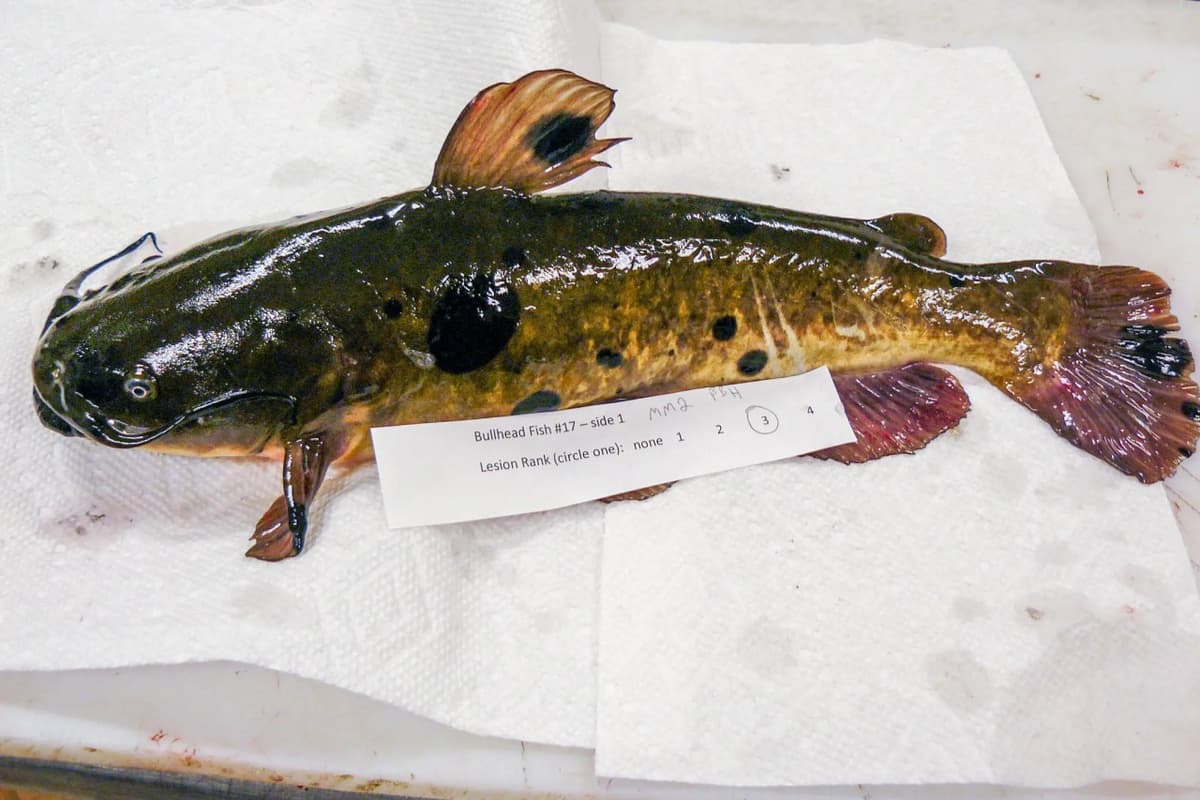
Transmissible Cancer Found in Catfish
Recent findings have uncovered a significant health concern among catfish in Lake Memphremagog, with reports indicating that between 23% to 37% of the fish examined displayed melanoma lesions. This discovery highlights the potential for transmissible cancers to affect wildlife and raises questions about the implications for ecosystems and human health.
Ongoing Research and Implications
The presence of melanoma in such a substantial percentage of catfish has prompted researchers to delve deeper into the phenomenon of transmissible cancers, which have been observed in a limited number of species. This type of cancer can spread from one individual to another, posing challenges for wildlife management and conservation efforts.
Scientists are currently investigating the mechanisms behind the transmission of cancer cells among these fish and are exploring whether similar cases could occur in other species. The findings from Lake Memphremagog may serve as a crucial stepping stone in understanding the broader implications of transmissible cancers in aquatic environments and beyond.
As research continues, the focus will likely remain on identifying the causes and potential preventive measures that can be taken to safeguard both wildlife and human populations from the effects of these transmissible diseases.