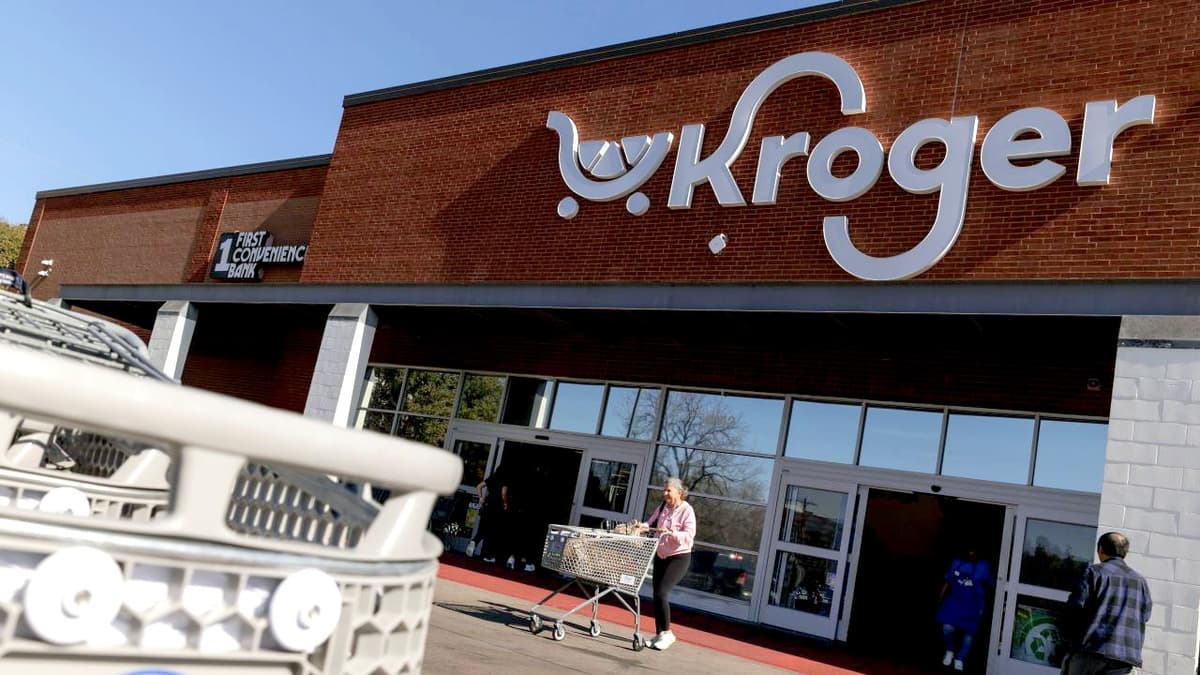
Kroger has announced the closure of at least 39 stores across nine different grocery banners as part of its plan to shut down a total of 60 locations. This decision marks a significant step in the company's ongoing restructuring efforts aimed at optimizing operations and enhancing profitability.
Details of the Closures
The closures will affect a variety of store formats under the Kroger umbrella, which includes several well-known grocery brands. The company has not disclosed specific locations that will be shuttered, but the decision is part of a broader strategy to streamline its business amid changing market conditions and consumer preferences.
In recent years, Kroger has faced increasing competition from both traditional grocery stores and emerging online retailers. The company has been working to adapt to these challenges by evaluating its store performance and making necessary adjustments to its portfolio. The closure of these stores is expected to enable Kroger to focus on its more profitable locations and improve overall operational efficiency.
Impact on Communities
The decision to close stores will undoubtedly have a significant impact on the communities served by these locations. Many customers rely on Kroger for their daily grocery needs, and the closures may lead to increased travel distances for shoppers. Additionally, the loss of these stores could affect local employment, as many workers may face job displacement.
Kroger has stated that it will work to provide support for affected employees during this transition. The company has not yet detailed specific plans for how it will assist those impacted by the closures, but it is expected to communicate further information to its workforce in the coming weeks.
As the grocery landscape continues to evolve, Kroger's decision to close stores reflects broader trends within the industry. Consumers are increasingly seeking convenience and value, prompting major retailers to reassess their strategies in order to remain competitive.