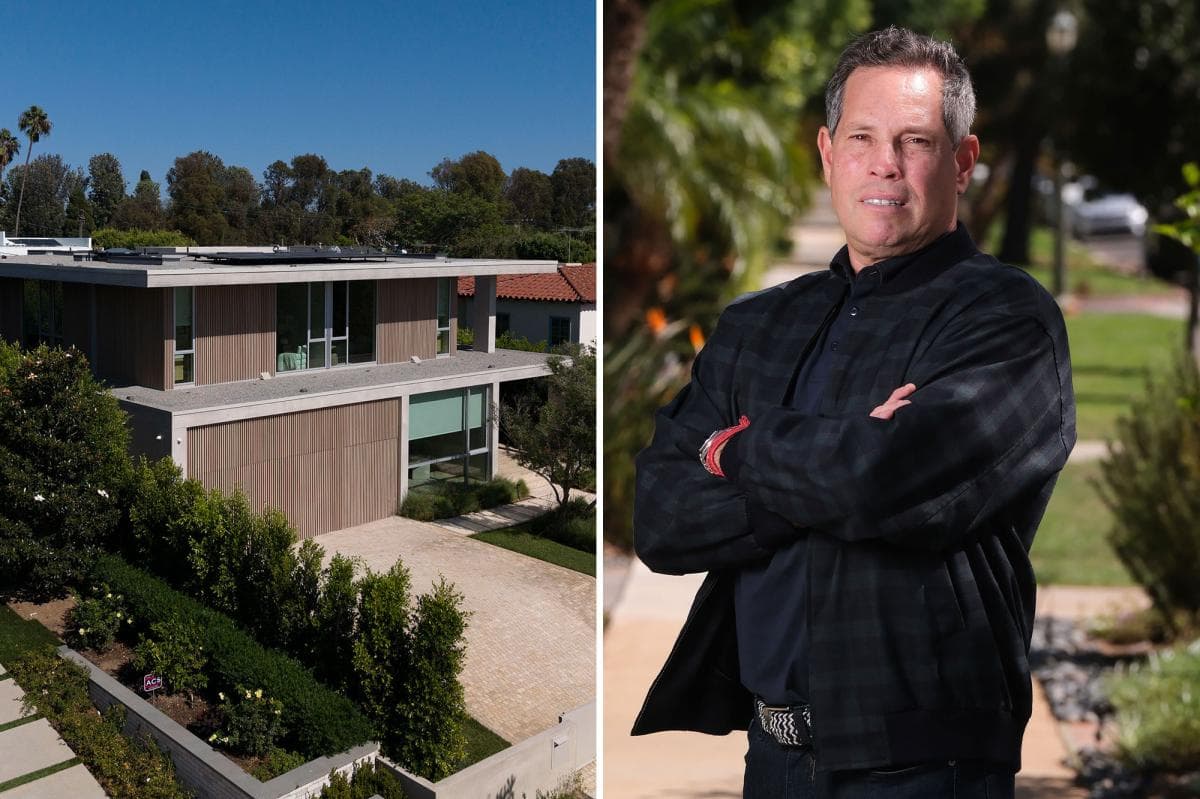
A recent report has revealed that Los Angeles' controversial mansion tax has had significant negative repercussions on the housing market and local economy. The findings indicate that the tax has blocked the development of approximately 9,100 homes, resulted in the loss of around 16,650 construction jobs, and imposed a financial burden of $452 million on taxpayers.
Impact on Housing Development
The mansion tax, which was designed to target high-value properties, has faced criticism for its unintended consequences. According to the report, the implementation of this tax has stalled numerous housing projects, contributing to the ongoing housing crisis in the region. With the city already grappling with a shortage of affordable homes, the blockage of new developments exacerbates the situation, leaving many residents without viable housing options.
Economic Consequences
In addition to the housing market implications, the report highlights the economic fallout from the mansion tax. The loss of over 16,000 construction jobs represents a significant blow to the local workforce, particularly in an industry that is vital for economic growth. The tax has not only hindered job creation but has also led to substantial financial losses for the city, with taxpayers shouldering a cost of $452 million. These figures raise concerns about the long-term sustainability of such tax measures and their effectiveness in addressing the intended goals.
As the debate over the mansion tax continues, stakeholders from various sectors are calling for a reevaluation of the policy. Advocates for housing development argue that a more balanced approach is necessary to foster growth while still addressing the needs of the community. The findings of this report may serve as a catalyst for discussions on how to better align tax policies with the city's housing and economic objectives.