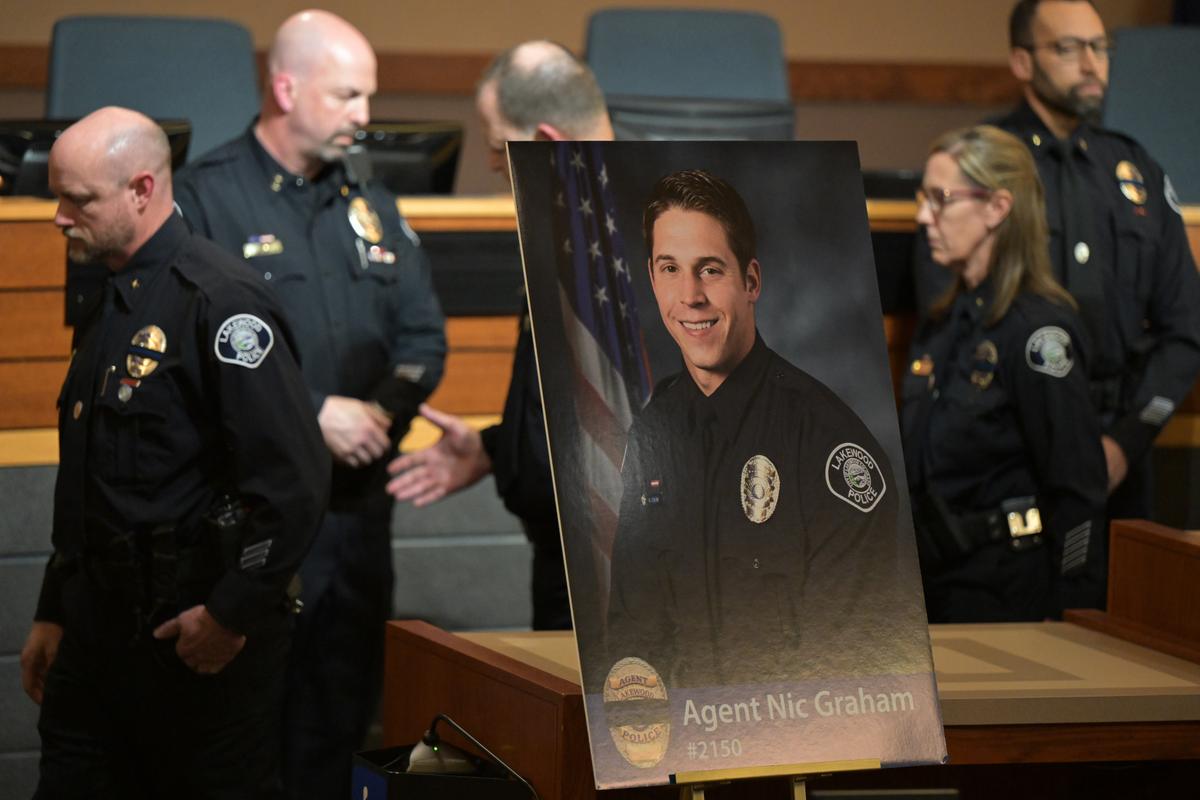
A recent incident involving the killing of a Lakewood police officer has raised concerns about a troubling pattern in violent crimes. The officer's death, which occurred under alarming circumstances, highlights issues within the criminal justice system, particularly regarding the handling of domestic violence cases and the warning signs that often precede such tragic events.
Strangulation as a Warning Sign
Experts have noted that strangulation is a significant red flag in the context of violent behavior. It is often an indicator of escalating dangerousness among offenders, yet it frequently goes unaddressed within the legal system. This oversight can lead to dire consequences, as evidenced by the recent fatality involving the police officer. Many individuals who commit violent acts have histories that include incidents of strangulation, suggesting a pattern that warrants closer scrutiny.
The implications of these findings extend beyond individual cases. They call into question the effectiveness of current measures in place to protect victims of domestic violence and to identify potential offenders before they escalate to lethal violence. Advocates for reform argue that a more proactive approach is necessary to address these warning signs and to provide better resources for victims seeking help.
Calls for Systemic Change
In light of this tragic event, community leaders and activists are urging a reevaluation of how domestic violence cases are handled. They stress the importance of training law enforcement officers and judicial personnel to recognize the significance of strangulation as a critical warning sign. By improving the response to such incidents, they hope to prevent future tragedies and enhance the safety of both law enforcement and the communities they serve.
The killing of the Lakewood officer serves as a stark reminder of the urgent need for systemic change within the criminal justice system. As discussions continue, the focus remains on finding effective solutions to address the underlying issues that contribute to violence and ensuring that warning signs are not overlooked in the future.