As winter approaches, many families may find themselves facing higher home energy costs, raising concerns about the effectiveness of the Low-Income Home Energy Assistance Program (LIHEAP) in providing adequate support. With energy prices on the rise, the assistance that LIHEAP offers may not be sufficient to cover the increasing expenses associated with heating homes during the colder months.
Rising Energy Costs Impacting Families
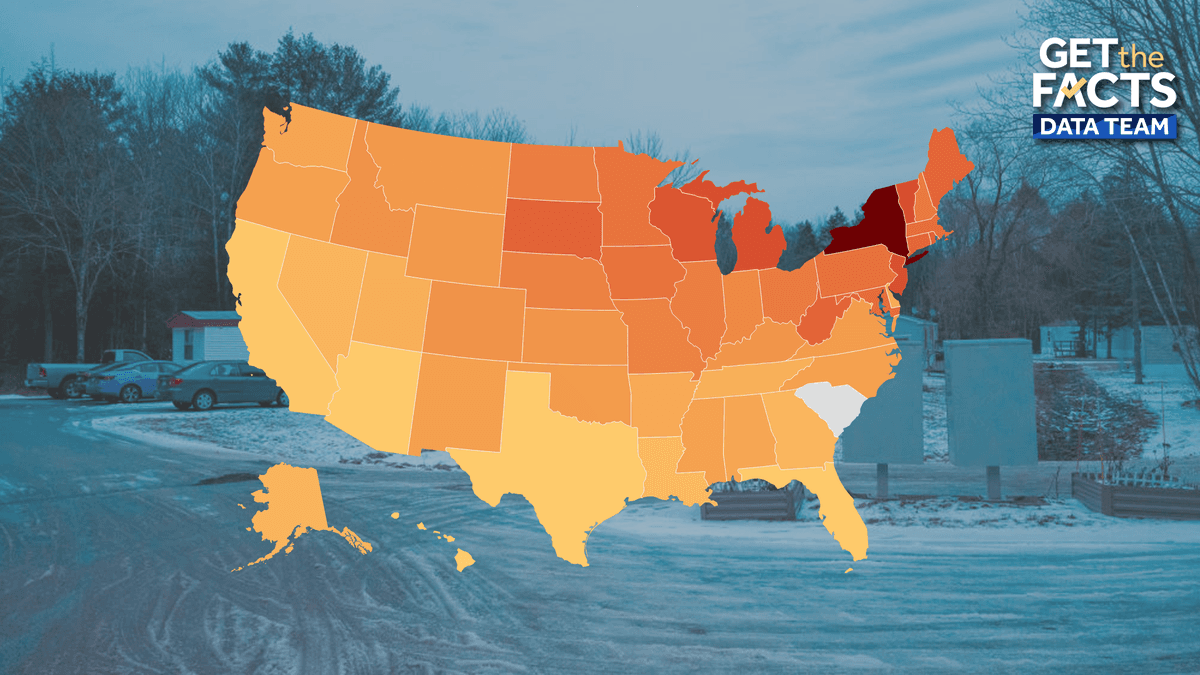
Families relying on LIHEAP for heating assistance could be left with significant out-of-pocket expenses this winter. Reports indicate that some households may find themselves responsible for more than $500 in heating bills, as the aid provided by the program struggles to keep pace with escalating energy prices. This situation poses a serious challenge for low-income families already grappling with financial constraints.
Energy costs have been influenced by a variety of factors, including supply chain disruptions, increased demand, and market fluctuations. As these costs continue to rise, families that qualify for LIHEAP may discover that the assistance they receive does not fully alleviate the burden of their heating expenses. This gap in support could lead to difficult choices for many, including the potential for unsafe heating practices or the risk of utility disconnections.
Need for Increased Support
Advocates for low-income families are urging policymakers to consider increasing funding for LIHEAP to better meet the needs of those struggling with rising energy costs. They emphasize the importance of ensuring that families have access to the resources necessary to stay warm during the winter months without facing crippling financial strain. As the winter season approaches, the need for action becomes increasingly urgent to protect vulnerable households from the adverse effects of inadequate heating assistance.
As discussions around energy costs and assistance programs continue, many are left hoping for solutions that will provide the necessary support for families in need. With the winter months ahead, the pressure is on to find effective ways to address the challenges posed by rising home energy costs and ensure that no family is left in the cold.