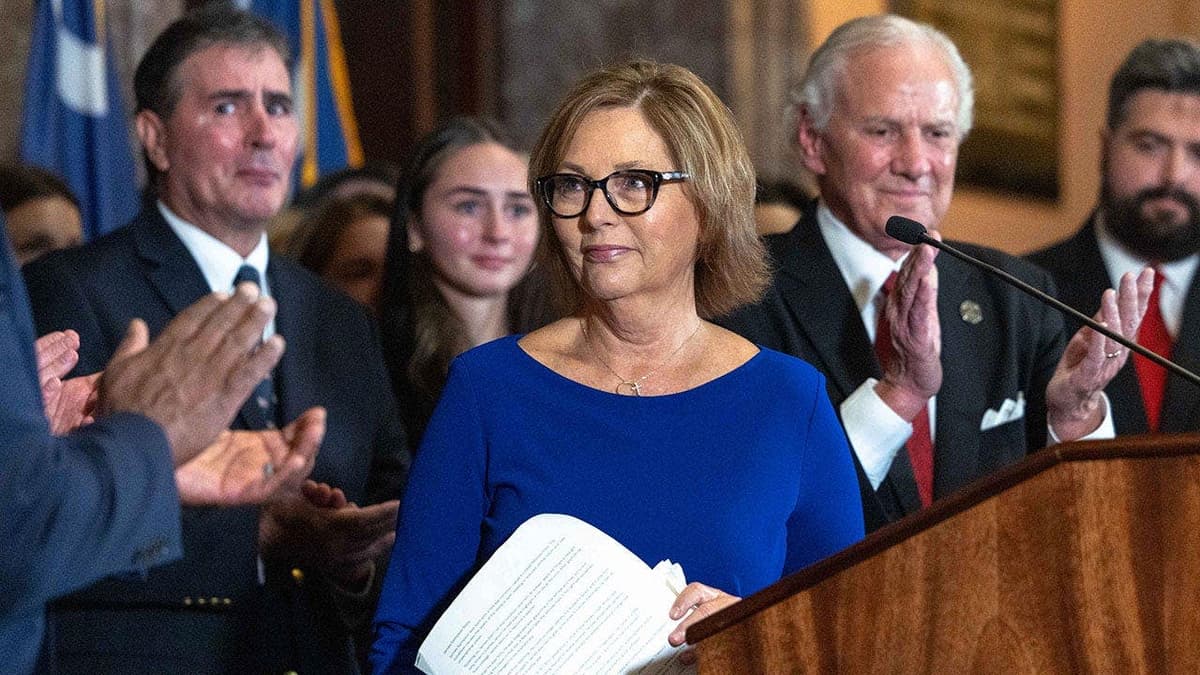
In a notable departure from traditional foreign policy narratives, Lindsey Graham's sister has emerged with a distinct agenda that challenges established viewpoints. This shift highlights a growing trend of individuals within political families advocating for alternative perspectives on international relations.
New Perspectives in Political Families
The emergence of new voices within political families is not uncommon, but the recent statements by Graham's sister have garnered attention for their divergence from the expected party line. This development suggests a potential shift in how foreign policy discussions are framed, particularly among those with established political ties.
As debates around foreign policy continue to evolve, the influence of family members who may not hold formal political positions could reshape public discourse. The willingness of Graham's sister to present her own views indicates a broader trend of individuals seeking to carve out their own identities separate from their relatives' political legacies.
Implications for Future Policy Discussions
This new perspective may resonate with constituents who are seeking a more nuanced approach to foreign affairs. As political landscapes shift and public opinions evolve, figures like Graham's sister could play a significant role in redefining how issues are approached and discussed at both local and national levels.
As the political climate continues to change, the impact of these emerging voices will be closely monitored, potentially influencing future policy discussions and decisions. The ongoing dialogue around foreign policy remains a critical area of focus for both politicians and the public alike.