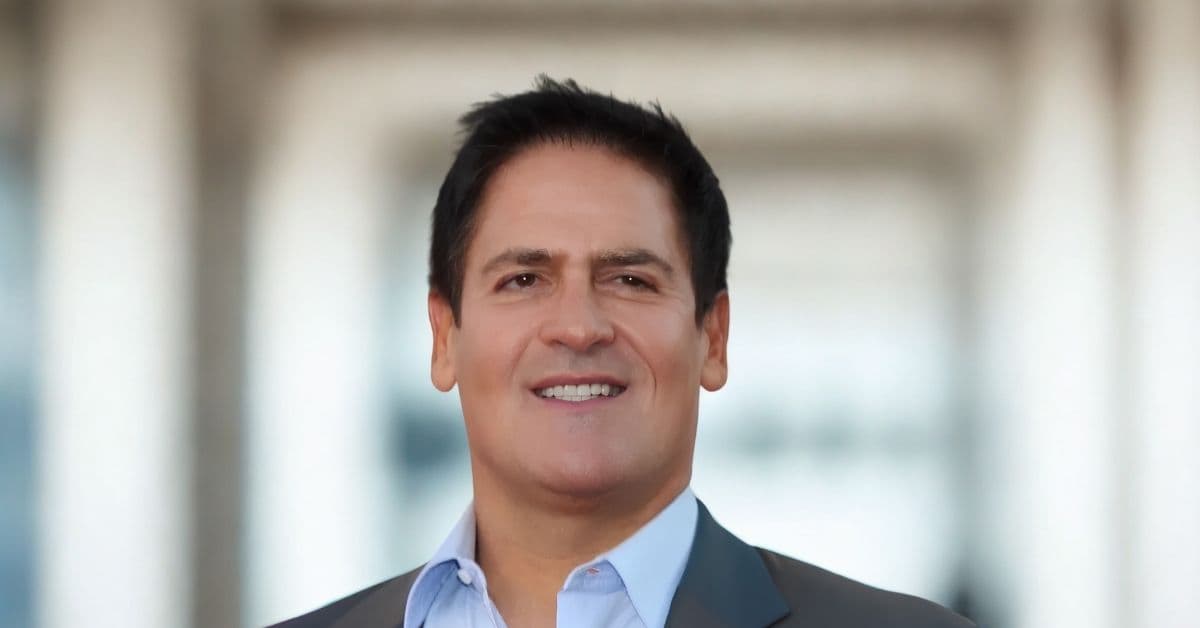
Entrepreneur Mark Cuban has proposed a unique approach to address the challenges facing Social Security, particularly in light of the increasing automation that threatens to reduce the labor force. Cuban's insights come amid growing concerns about the sustainability of the Social Security system as technology continues to evolve and reshape the job market.
Addressing Automation's Impact
Cuban emphasizes that automation, while beneficial in many ways, poses significant risks to traditional employment. As machines and artificial intelligence take over tasks previously performed by humans, the shrinking labor force could lead to a decrease in the contributions made to Social Security. This, in turn, could jeopardize the program's ability to support retirees and those in need in the future.
To counteract this trend, Cuban suggests implementing a system that would adapt to the changing economic landscape. He believes that proactive measures are necessary to ensure that Social Security remains viable for future generations. By recognizing the potential pitfalls of automation, Cuban advocates for a comprehensive reevaluation of how the program is funded and managed.
Proposed Solutions
While specific details of Cuban's plan remain under discussion, he has hinted at innovative strategies that could include adjustments to the way Social Security is financed. This might involve exploring new revenue streams or revising the current tax structure to better reflect the realities of an automated economy.
Cuban's perspective highlights the need for a forward-thinking approach to one of the nation's most critical social safety nets. As the conversation around Social Security continues, his proposals may spark further dialogue on how to effectively safeguard the program against the challenges posed by automation and ensure its longevity for future generations.